What to Expect During a Personal Injury Claim
The personal injury claim process involves reviewing evidence, seeking compensation and negotiating a possible settlement. Atlanta Auto Law can guide you through the claim and explain what happens if a lawsuit becomes necessary.
Written by Ronnie Mabra
Request an EstimateBy Ronnie Mabra
What Are the Steps in a Personal Injury Claim?
A personal injury claim usually moves from medical care and evidence review to negotiation and resolution. A lawsuit may be necessary if the parties can't settle. We'll explain which steps fit your situation.
The path depends on the facts of your legal claim. For crash-related injuries, we also handle Car Accident Claims and Truck Accident Claims.
What Happens After You Hire a Personal Injury Lawyer?
After you hire us for a personal injury claim, we review the facts and discuss the next steps. We'll explain the representation agreement and how we communicate about your case.
During the consultation, we discuss the injury and the information you have. Once we agree to represent you, we'll investigate the claim and keep you informed about important developments. You can also ask us questions as the case moves forward.
What Evidence Helps Support a Personal Injury Claim?
Evidence for a personal injury claim can show what happened, who may be responsible and how the injury affected you. We review available records and other relevant evidence.
We may review medical records, incident reports and photographs. Witness statements can help us assess liability, or legal responsibility for the injury. Medical bills and lost income records can help show the financial harm an injured claimant suffered.
Our guide, Evidence That Can Help Support a Personal Injury Claim, explains these materials in more detail. We'll discuss what may be useful in your case.
How Are Personal Injury Settlements Negotiated?
Personal injury settlement negotiations address responsibility for the injury and the compensation sought. We'll review offers with you and explain the effect of a proposed release.
We may send a demand to the insurance adjuster describing the claim and the damages sought. Damages can include losses such as medical bills and lost income. The insurer may respond with a settlement offer or dispute the responsible party's liability.
A release is an agreement that can end your right to pursue covered claims. We'll explain its terms before you decide whether to accept an offer.
What Happens If a Settlement Can't Be Reached?
A personal injury claim that doesn't settle may proceed to a lawsuit. Settlement talks can continue during litigation, and a court may ultimately decide the case.
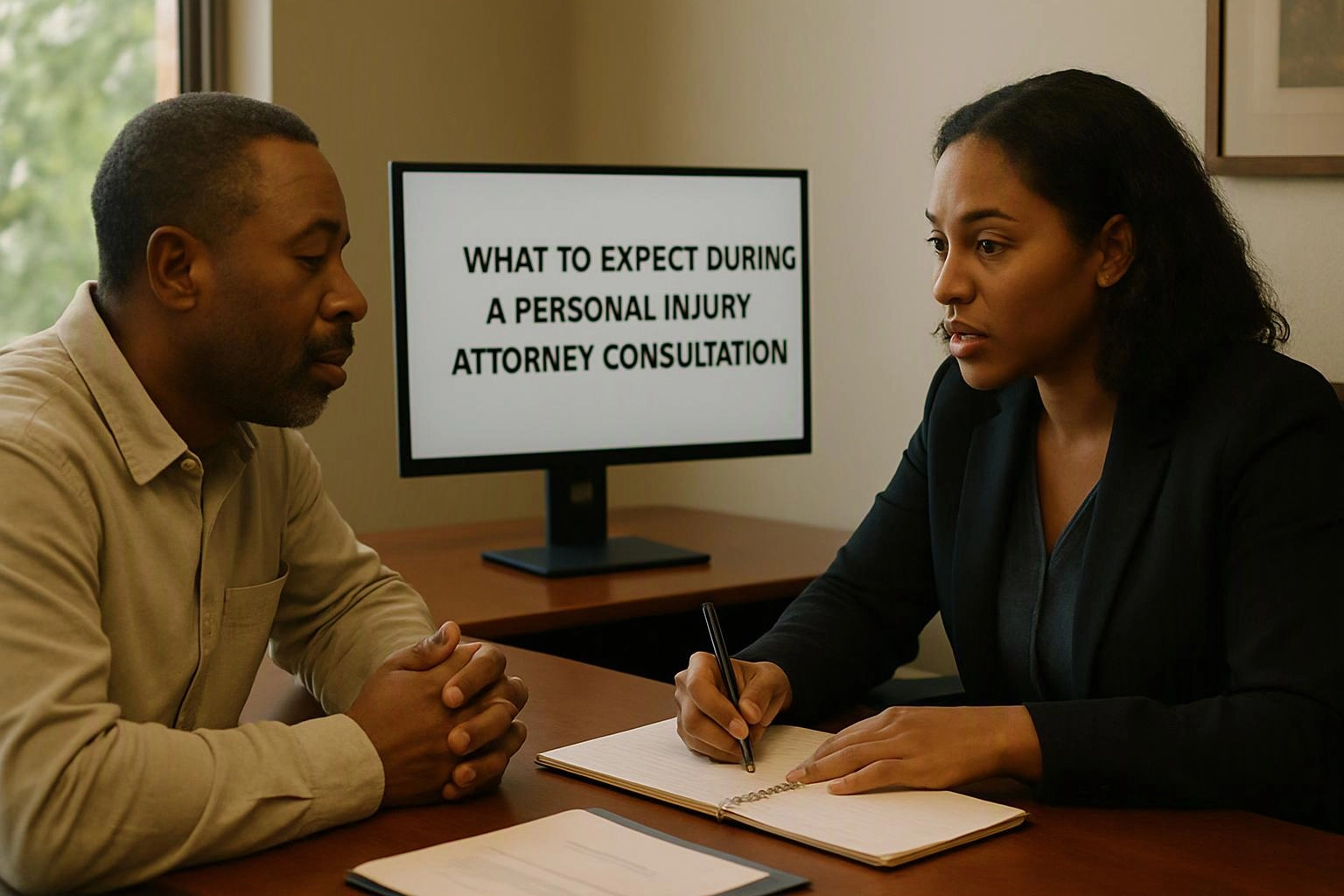
We can discuss a court filing and the claims it would present. After filing, the parties may exchange information through discovery. They may also try mediation, where a neutral person helps them discuss settlement.
If the case goes to trial, the court or a jury may decide the outcome. An appeal may be available after a court decision. We'll explain the options that apply to your case.
What Can Change the Time Needed to Resolve a Claim?
A personal injury claim's timing depends on medical treatment, the evidence and whether responsibility is disputed. Negotiations and court schedules can also affect the path to resolution.
Ongoing treatment can make the full extent of an injury harder to assess. Records may also take time to obtain, and a dispute over liability can require more investigation. We'll explain how these issues may affect your claim as it develops.
What Deadlines Can Affect a Personal Injury Claim?
Personal injury claim deadlines depend on the jurisdiction and the type of claim. We can review the facts and explain which deadlines may apply.
A filing deadline can limit the time to bring a lawsuit. Some claims may also have notice requirements that call for action before a court filing. We'll review those rules with you so you can make informed decisions.
What Should You Ask About Legal Fees and Case Expenses?
Legal fees and case expenses depend on the representation agreement and the work a claim requires. We'll explain what the agreement covers and how to obtain an exact quote. We offer Free Consultations.
Ask how the fee agreement addresses legal fees and case expenses. You can also ask how expenses are handled and how a settlement would be distributed. We'll review the agreement with you before you decide whether to hire us.
Contact Atlanta Auto Law to discuss your injury claim and ask about the agreement. We'll explain the next steps for your situation.
Request a QuoteWhat Are the Key Specifications to Know?
- Topic Focus
- What to Expect During a Personal Injury Claim
- Related Core Service
- Car Accident Claims
- Evaluation Method
- On-Site Inspection & Written Scope
- Compliance Standard
- Local Building Code & Manufacturer Specs
How Does the Evaluation & Execution Process Compare?
| Evaluation Stage | Technical & Quality Criteria | Timeline Checkpoint |
|---|---|---|
| Initial Diagnostic & Assessment | Identify root cause, site constraints & code requirements | Before any work begins |
| Written Scope & Option Comparison | Compare repair vs. replacement tiers & material grades | Prior to project approval |
| Code-Compliant Execution | Follow manufacturer specs & local permitting standards | During active service |
| Final Verification & Walkthrough | Verify installation alignment, performance & clean site handoff | Upon project completion |
Related Resources
Medical-Treatment Mistakes That Can Complicate an Injury Claim
Brand vs BrandChoosing a Personal Injury Lawyer in East Point
Brand vs BrandChoosing a Car Accident Lawyer: What to Bring and Ask at a Consultation
Compared ToPersonal Injury Lawyer Fees and Case-Cost Factors to Review Before Signing