
Skip to content

Insurance Bad Faith Claims in Douglasville, Georgia

Claim correspondence helps you assess an unfair insurance decision in Douglasville. We review the policy record and explain what evidence supports your next step.

Upfront, Transparent PricingServing 52 CommunitiesMon-Sun: Open 24 hoursFast Scheduling

Quick Summary: insurance bad faith claims in Douglasville, Georgia

Insurance bad faith claims in Douglasville are handled by Atlanta Auto Law for clients facing unfair claim denials, delays, or payment disputes throughout the Atlanta metro area. The work includes policy review, insurance negotiation, and evidence gathering for motor vehicle accident claims.

  • What we do: Atlanta Auto Law handles insurance bad faith claims for Douglasville clients through policy review, claim analysis, and insurance negotiation.
  • What is included: Key capabilities include reviewing coverage letters, comparing damage estimates, assessing recorded statements, and preparing claim correspondence.
  • What you get: The customer receives a documented claim position and a reasoned path toward pursuing fair compensation.

What documents help challenge an unfair insurance decision in Douglasville, Georgia?

Claim correspondence, the insurance policy, coverage letters, damage estimates, medical records, and recorded statements can help challenge an unfair decision. Atlanta Auto Law reviews these records together because one document may change how another is understood.

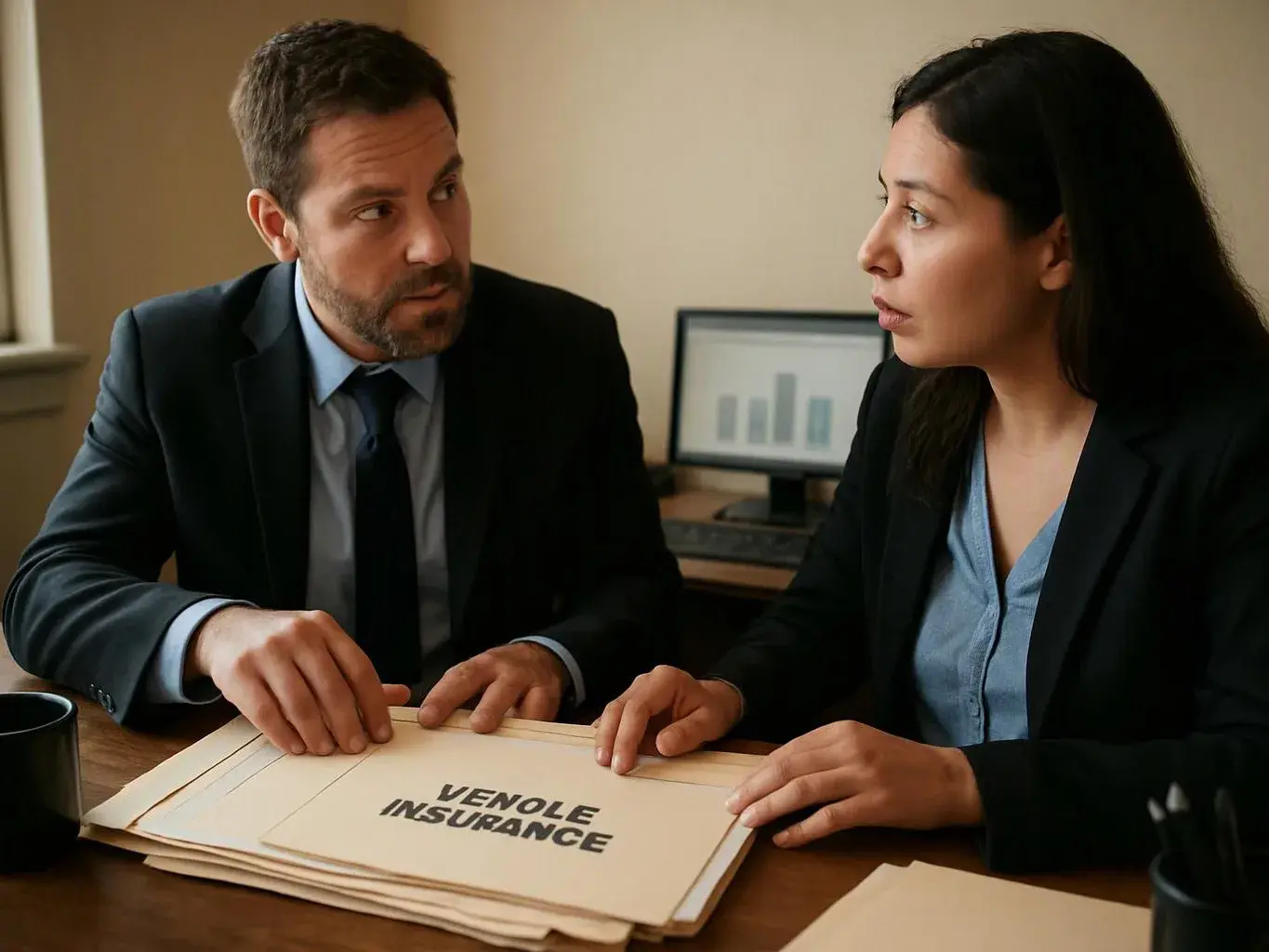
Insurance bad faith claims for disputed coverage decisions

This service fits people whose insurer has denied, delayed, reduced, or mishandled a claim after an accident. The key decision is whether the available records support a dispute with the insurer, a related injury claim, or both.

We start with the claim file, not assumptions. Our review may include the policy language, coverage letters, adjuster communications, medical records, repair estimates, and proof of lost wages. We then compare the insurer’s stated reason with the facts and the coverage terms.

The work differs from a standard car accident claim because it examines the insurance company’s conduct. A strong injury claim does not automatically prove bad faith, so the records must support the legal theory.

  • Identify the exact reason for the denial, delay, or reduced payment.
  • Match the insurer’s position to the policy language and coverage letters.
  • Preserve emails, claim notes, estimates, medical records, and recorded statements.
  • Separate injury damages from the insurer’s handling of the claim.
A man in a suit holds a folder beside a desk sign reading “PERSONAL INJURY ATTORNEY” in a wood-paneled office

Service Overview

Insurance bad faith claims are legal claims that address an insurer’s unfair handling of a covered loss.

  • They differ from ordinary accident claims because the focus includes the insurer’s claim conduct, not only the injury or property damage.
  • Atlanta Auto Law provides this representation for Douglasville clients and other communities across the Atlanta metro area.

What a focused claim review changes

A document-based review shows which part of the insurer’s decision needs a response.

A clear record helps separate covered losses from disputed damages.

Early review can preserve useful evidence before claim notes, statements, or estimates become harder to obtain.

Clients gain a clearer basis for insurance negotiation and litigation decisions.

Douglasville clients can address the insurer’s position through a firm that serves the wider Atlanta metro area.

What this claim review includes

Atlanta Auto Law provides comprehensive Insurance Bad Faith Claims in Douglasville. Here's what you get:

  • We review the insurance policy and explain the coverage terms that affect the dispute.
  • We assess coverage letters, denial reasons, and insurer communications.
  • We compare damage estimates with the claimed loss and supporting records.
  • We examine recorded statements for details that affect coverage or payment.
  • We gather police and medical records when they support the underlying accident claim.
  • We handle insurance negotiation, discovery, mediation, or trial when the case calls for it.
Process

How we review a disputed insurance claim

1

Collect the claim file

We gather the insurance policy, coverage letters, claim messages, estimates, medical records, and recorded statements.

2

Compare coverage and evidence

We match the insurer’s reason to the policy terms and compare the decision with records showing the loss.

3

Assess the legal position

We assess whether the claim record supports an insurance bad faith theory, an underlying injury claim, or another legal path.

4

Choose the next response

Depending on the evidence, we may prepare a demand letter, negotiate with the insurer, pursue discovery, attend mediation, or take the case to trial.

How we approach disputed insurance decisions

Start with the claim record

The first review connects the policy, coverage letters, estimates, statements, and loss records. This service is the wrong fit when no insurance dispute exists and the matter involves only an ordinary injury claim.

Separate coverage from damages

Coverage decides whether the policy applies, while damages describe the financial and personal loss. Keeping those issues separate helps us frame the right demand and avoid unsupported conclusions.

Prepare for insurer pressure

Recorded statements and adjuster communications can affect the claim record. We examine what was said, identify gaps, and explain which documents should support the next response.

Two claim issues that need separate review

The same accident can create an injury claim and an insurance handling dispute, but each issue uses different proof.

Claim issueMain questionKey records
Underlying injury claimWhat injuries and losses did the accident cause?Medical records, bills, wage records, and accident evidence
Insurance handling disputeDid the insurer fairly apply the policy and assess the claim?Policy, coverage letters, claim notes, estimates, and statements

The Atlanta Auto Law Standard

  • Initial Case Review
  • Responsive Communication
  • Thorough Case Investigation
  • Contingency Representation

Questions about disputed insurance claims

What documents help challenge an unfair insurance decision?

Claim correspondence is strongest when paired with the policy, coverage letters, damage estimates, and recorded statements.

  • Include medical records and bills for injury claims.
  • Save emails, claim notes, photographs, and adjuster messages.
  • Keep each denial, payment explanation, and revised estimate.

Atlanta Auto Law reviews the records together before advising on the next step.

How is an insurance bad faith claim matched to the facts before work starts?

The claim is matched to the facts through a review of the policy, insurer decision, loss records, and claim communications. We identify what the insurer decided and why. We then compare that position with the available evidence. A consultation can also separate an insurance dispute from a standard injury claim.

Which condition in the claim file changes the review time?

The condition that most changes review time is the completeness of the claim file. Missing policies, unclear denial letters, several estimates, or disputed recorded statements require more document work. We first identify missing records and organize the file. The legal review then follows the evidence that is available.

What should be ready before an insurance dispute review starts?

The insurance policy, denial letter, claim number, estimates, medical records, and insurer messages should be ready. A short timeline of the accident and claim contacts also helps. Do not discard earlier estimates or alter messages. Those records can show how the insurer’s position changed.

Why can a denied injury claim need more than a demand letter?

A denied injury claim may need more than a demand letter when the insurer disputes coverage, fault, damages, or the claim record. The next step could involve negotiation, discovery, mediation, or trial. We assess the evidence first, then choose the response that fits the dispute.

Can a personal injury attorney address medical bills and insurance negotiations?

Yes, a personal injury attorney can address medical bills, injury damages, and insurance negotiations within the accident claim. Atlanta Auto Law also reviews whether the insurer’s handling creates a separate bad faith issue. The two matters can involve different evidence, so we keep their records and legal theories clear.
Contact

Discuss an unfair insurance decision in Douglasville

Bring your policy, coverage letters, estimates, and claim messages to Atlanta Auto Law for a free consultation; urgent requests get priority scheduling.

ZIP Codes We Serve in Douglasville, Georgia

30133301343013530154

Insurance Bad Faith Claims in Other Areas

The information on this website is for general informational purposes only and is not legal advice, does not create an attorney-client relationship, and may not reflect current law in East Point, Georgia, United States. Every situation is different; consult a licensed attorney about your specific matter. Prior results do not guarantee a similar outcome.

(678) 235-3870