Who may be responsible for a micromobility battery fire injury?
Battery manufacturers may be responsible when a defect or warning problem caused the fire, but other parties may also share responsibility. Atlanta Auto Law reviews scooter companies, retail sellers, charging providers, and users' records. The analysis considers the device, charger, purchase path, warnings, fire evidence, medical records, and insurance position before identifying possible claims.
How does a battery fire claim move from the first call to the last step?
A battery fire claim moves from intake to evidence review, loss documentation, insurance negotiation, and possible litigation. The work includes:
- Taking the event and injury history.
- Preserving the battery, charger, device, and records.
- Reviewing medical care and financial losses.
- Sending a demand or pursuing discovery, mediation, or trial.
Every case follows the facts and the written fee agreement.
Which material changes how long the claim review takes?
The physical battery, charger, scooter, and fire records can change the amount of review required. A damaged or discarded device may limit what can be examined, while medical treatment and insurance records can add work. We identify the available evidence at intake and explain which records matter before the claim moves forward.
How can I tell whether this service fits my injury?
This service fits when a lithium-ion battery fire caused an injury or loss and another party may bear legal responsibility. Burns, smoke exposure, falls, and other documented injuries may require review. A simple device malfunction without an injury may not support a personal injury claim, although the facts still determine the legal analysis.
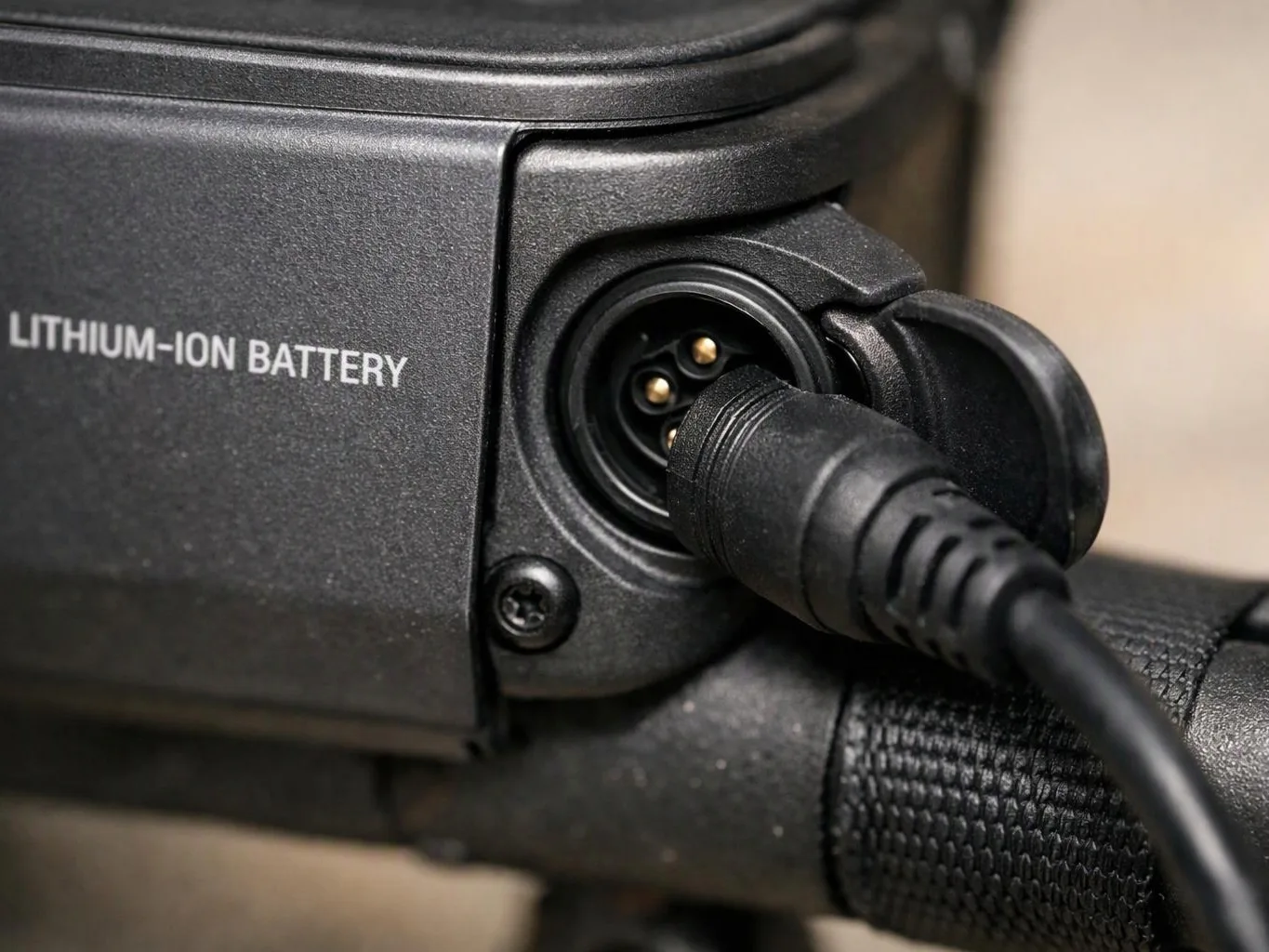
What should I preserve after a battery fire?
The device, battery, charger, purchase records, warnings, photographs, messages, and medical records should be preserved when safe. Avoid repairing, discarding, or changing the equipment before it is reviewed. Fire reports and insurance letters can also matter. Atlanta Auto Law uses these materials to assess product liability, negligence, and resulting losses.
Why do insurance companies ask about the charging event?
Insurance companies ask about charging because the location, equipment, instructions, and service provider may affect responsibility. A recorded statement can shape the claim before all evidence is gathered. We review the charging facts, product records, medical documents, and policy communications so the response addresses the full event.
What should I bring to a first consultation in Marietta?
A first consultation is more useful with photographs, purchase records, medical records, insurance letters, and details about the device and charger. Bring messages, receipts, packaging, and names of people or businesses connected to the event when available. These materials help us assess the injury, possible responsibility, and next legal step.