What evidence should I preserve after a motorcycle accident?
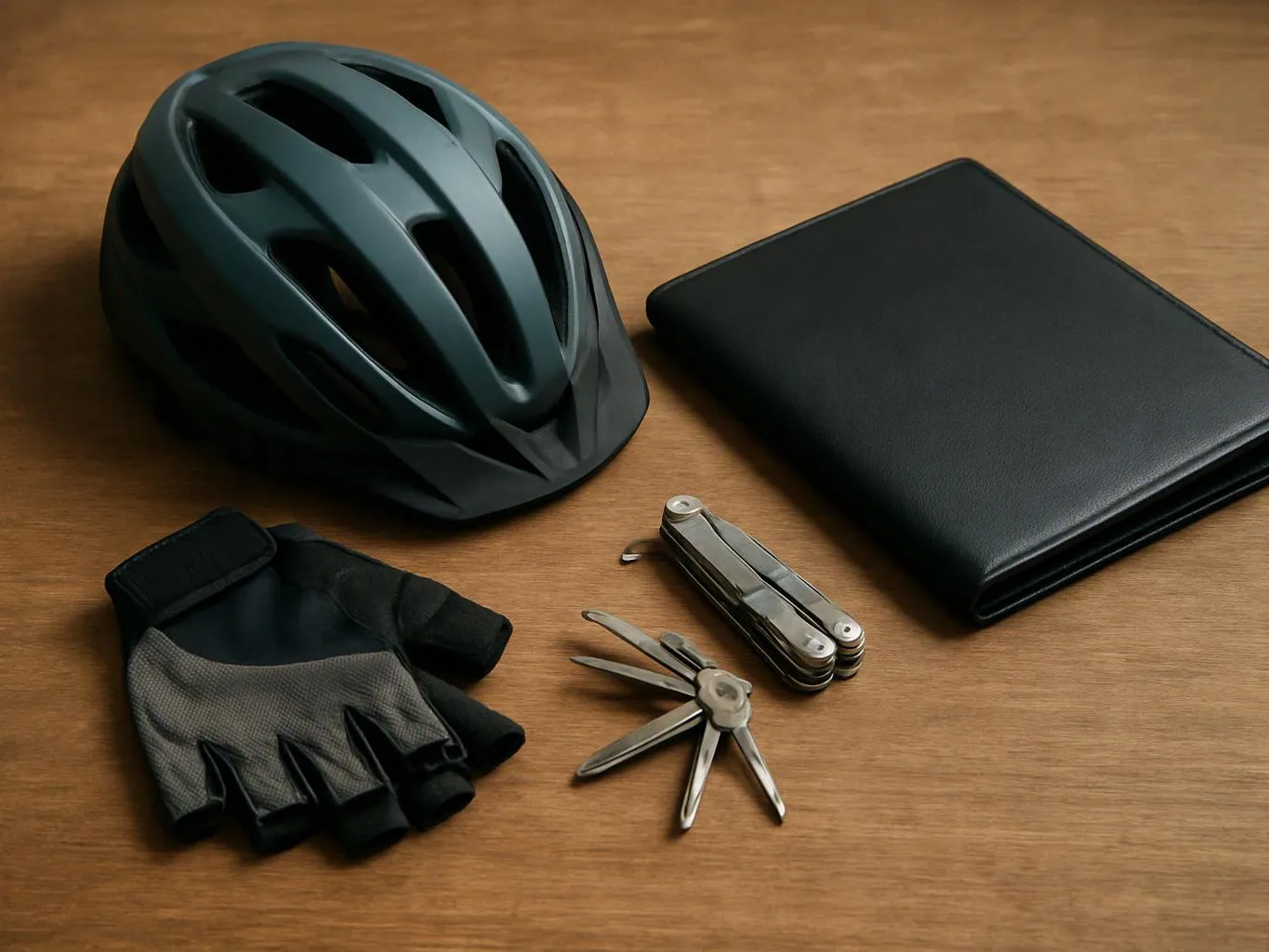
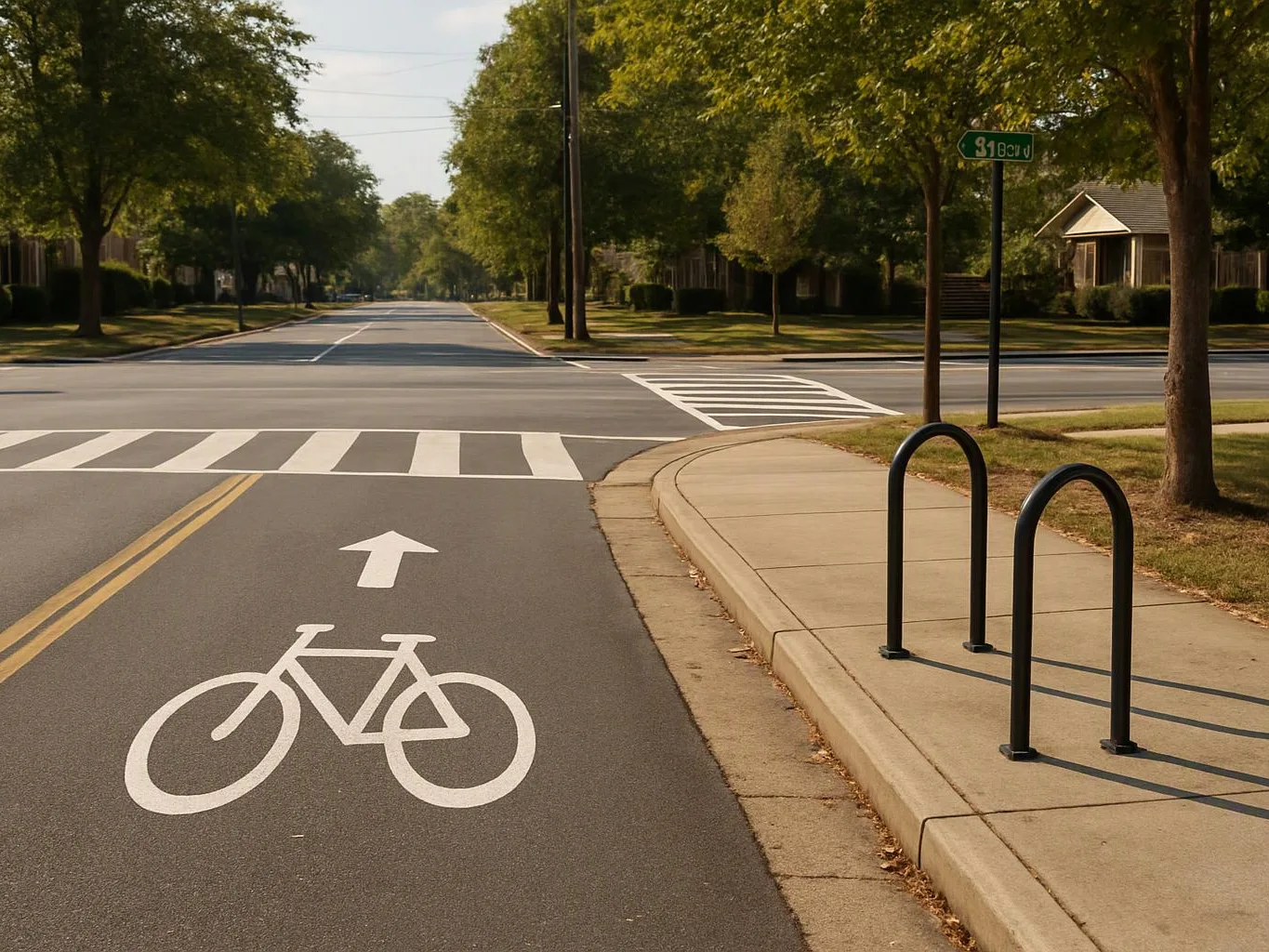
Road conditions and crash evidence should be preserved before anything is cleaned, repaired, or discarded. Keep the helmet, protective gear, motorcycle damage records, scene photographs, police report, medical records, and insurer messages. Original photographs and damaged items can help connect the crash account with the claimed injuries and property loss.
How does a motorcycle crash claim move from the first call to the last step?
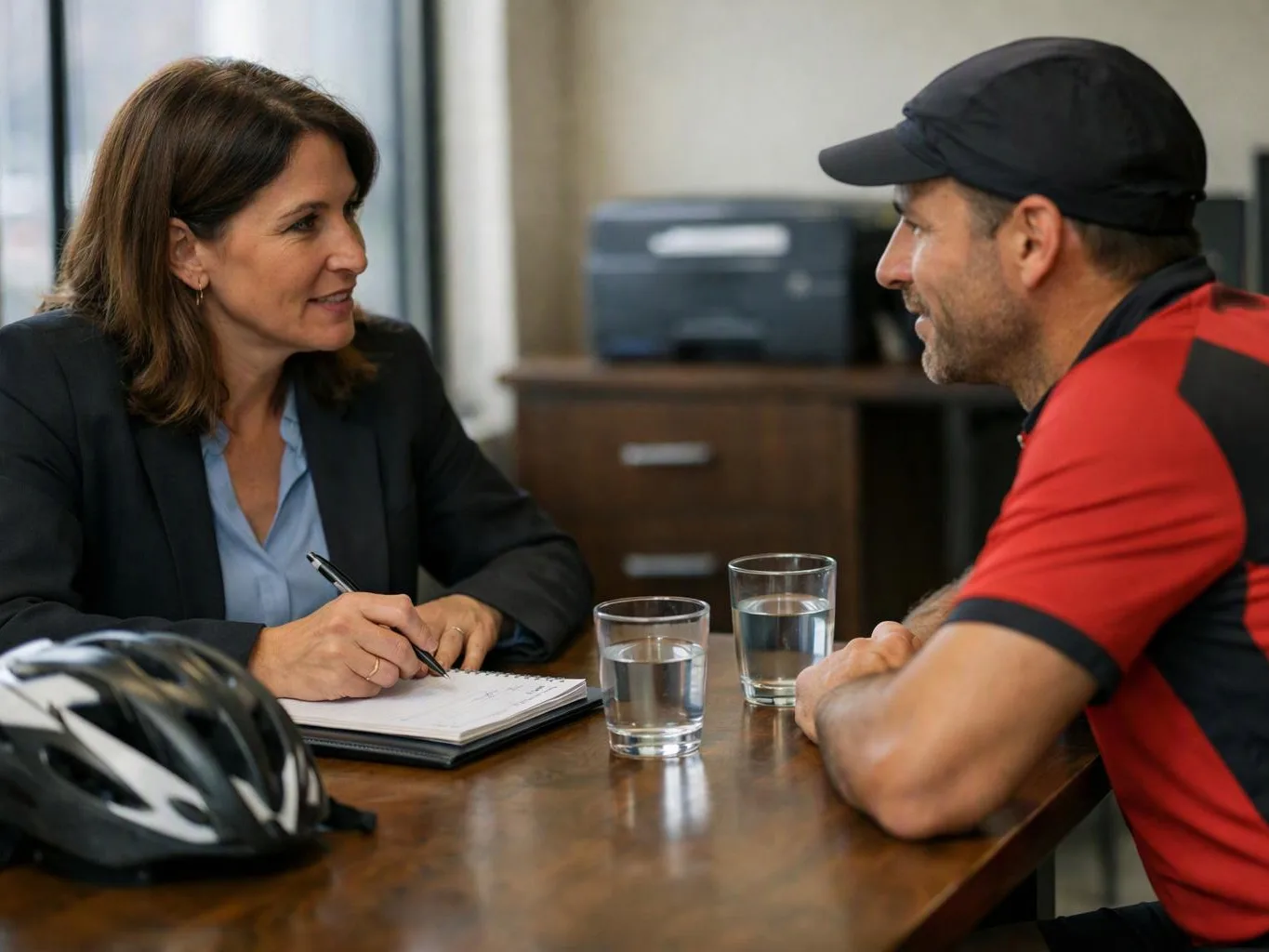
A motorcycle crash claim moves from intake to evidence review, record gathering, insurance negotiation, settlement discussion, or litigation. The first review covers the crash, injuries, treatment, insurance contact, and preserved evidence. We then organize the claim and explain which resolution path fits the available facts.
Which records should I bring to the first consultation?
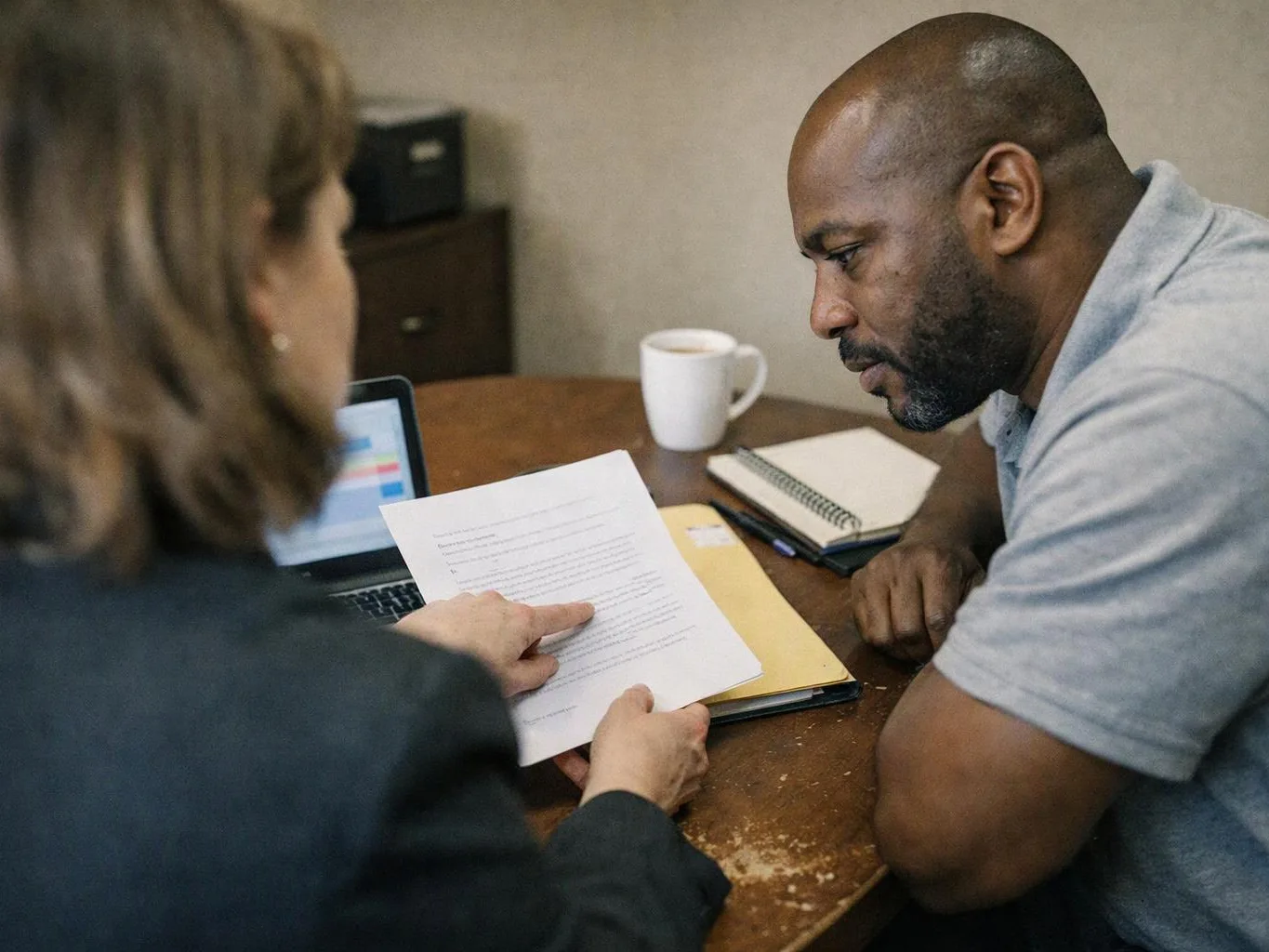
Police and medical records give the first consultation a useful factual base. Bring photographs, witness details, insurance letters, medical bills, wage information, motorcycle repair documents, and any messages from the insurer. Copies work for the meeting, while original damaged gear should be kept safely.
Why should I avoid giving a detailed statement to an insurer alone?
An insurer's statement request can affect how the company views the claim. Ask for legal guidance before discussing fault, injuries, treatment, or lost wages in detail. Our team reviews the request and helps protect the record while the medical and crash evidence is gathered.
What does a demand letter include in a motorcycle injury claim?
A demand letter explains the crash, injuries, treatment, documented losses, and requested settlement position. Supporting material can include medical records, wage records, photographs, police records, and property damage evidence. The letter gives the insurer a structured basis for settlement discussions, but it does not promise a particular result.
Can an attorney take a motorcycle injury claim to court?
Yes, litigation is available when settlement discussions do not resolve a supported claim. The decision depends on the evidence, injuries, losses, insurance position, and case goals. We explain discovery, mediation, trial, and related court steps before recommending a path.