Who may be responsible for nursing home abuse?
Caregivers may be responsible when their actions or failures harm a resident, and Atlanta Auto Law reviews whether nursing staff, facility owners, or management companies also share responsibility. The review considers care plans, medical records, medication logs, incident reports, and facility policies. Responsibility depends on the facts linking each party to the resident’s harm.
What does the legal team look at first?
The initial review examines the resident’s injury, care timeline, and available records. Key materials include medical records, care plans, medication logs, incident reports, and facility messages. We compare those documents with the facility’s explanation and the resident’s condition. That comparison helps identify missing facts and possible responsible parties.
What should be checked before legal work is scheduled?
The resident’s records and immediate safety needs should be checked before legal work begins. Families should preserve medical records, care plans, medication information, incident reports, and written facility communications. They should also note who provided care and when the injury or health change appeared. Those details support a focused intake.
How do medical records help a nursing home abuse claim?
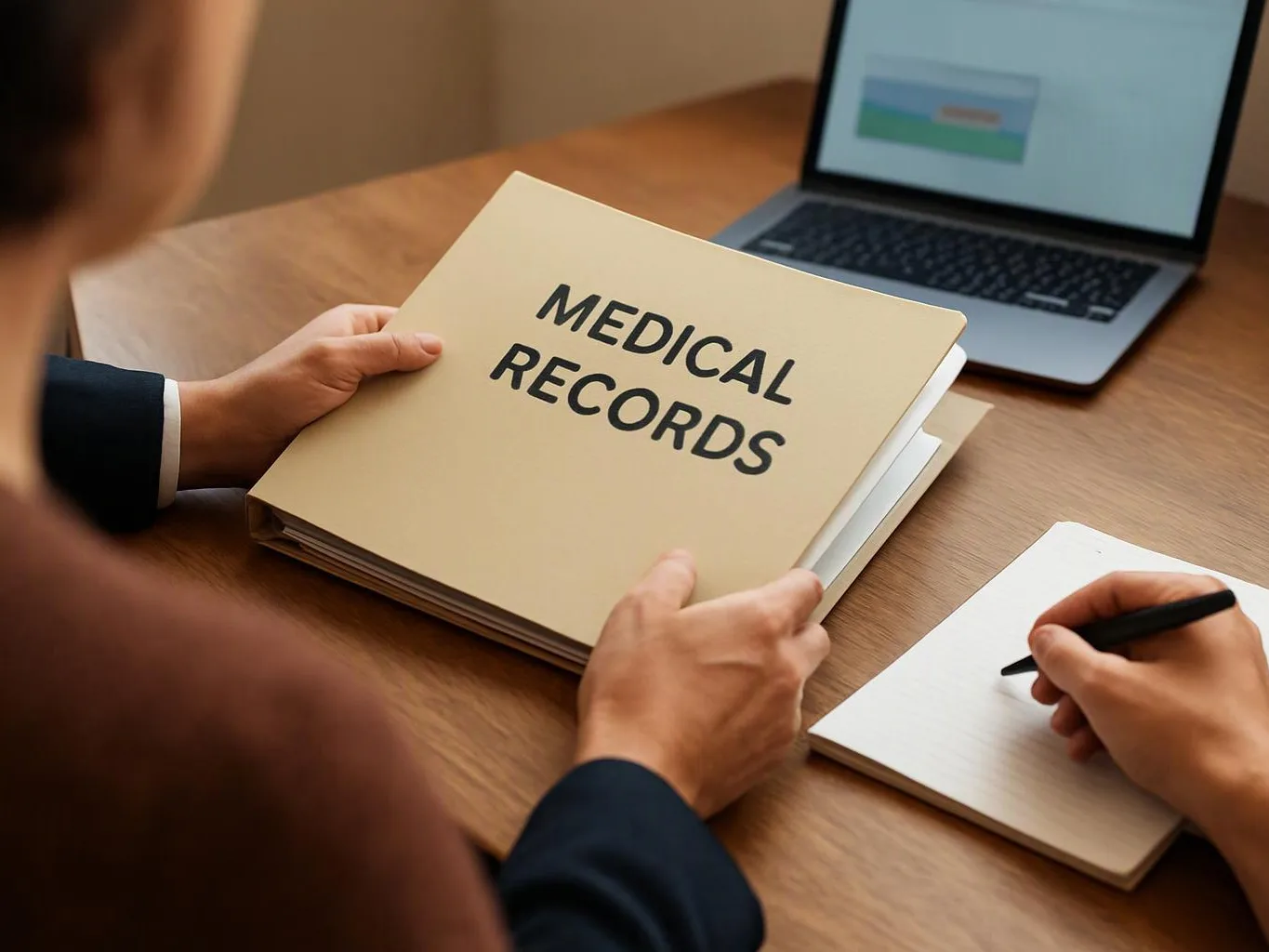
Medical records connect the resident’s condition to treatment, diagnosis, and documented changes in health. Our team compares them with care plans, medication logs, and incident reports to test the facility’s account. The records also help assess medical expenses, pain and suffering, and other losses tied to the alleged abuse.
When should a family request a legal review?
A family should request a legal review after a serious injury, unexplained health change, medication problem, or conflicting facility account. Early record preservation matters because the case depends on a reliable care timeline. Atlanta Auto Law can discuss the available facts through a free consultation before the family decides how to proceed.
Which records should a family bring to the first consultation?
Medical records, care plans, medication lists, incident reports, bills, and facility messages are useful starting documents. Families should also bring names of staff involved and notes about changes in the resident’s condition. The available records do not need to be complete before a consultation, because the review can identify what else matters.
Who is a good fit for this service, and who needs a different service?
Families facing suspected resident harm, unsafe care, or an unclear facility response are good fits for this service. A billing-only dispute without an injury may need a different complaint or legal process. We assess the facts, the documents, and the requested outcome before recommending the next step.