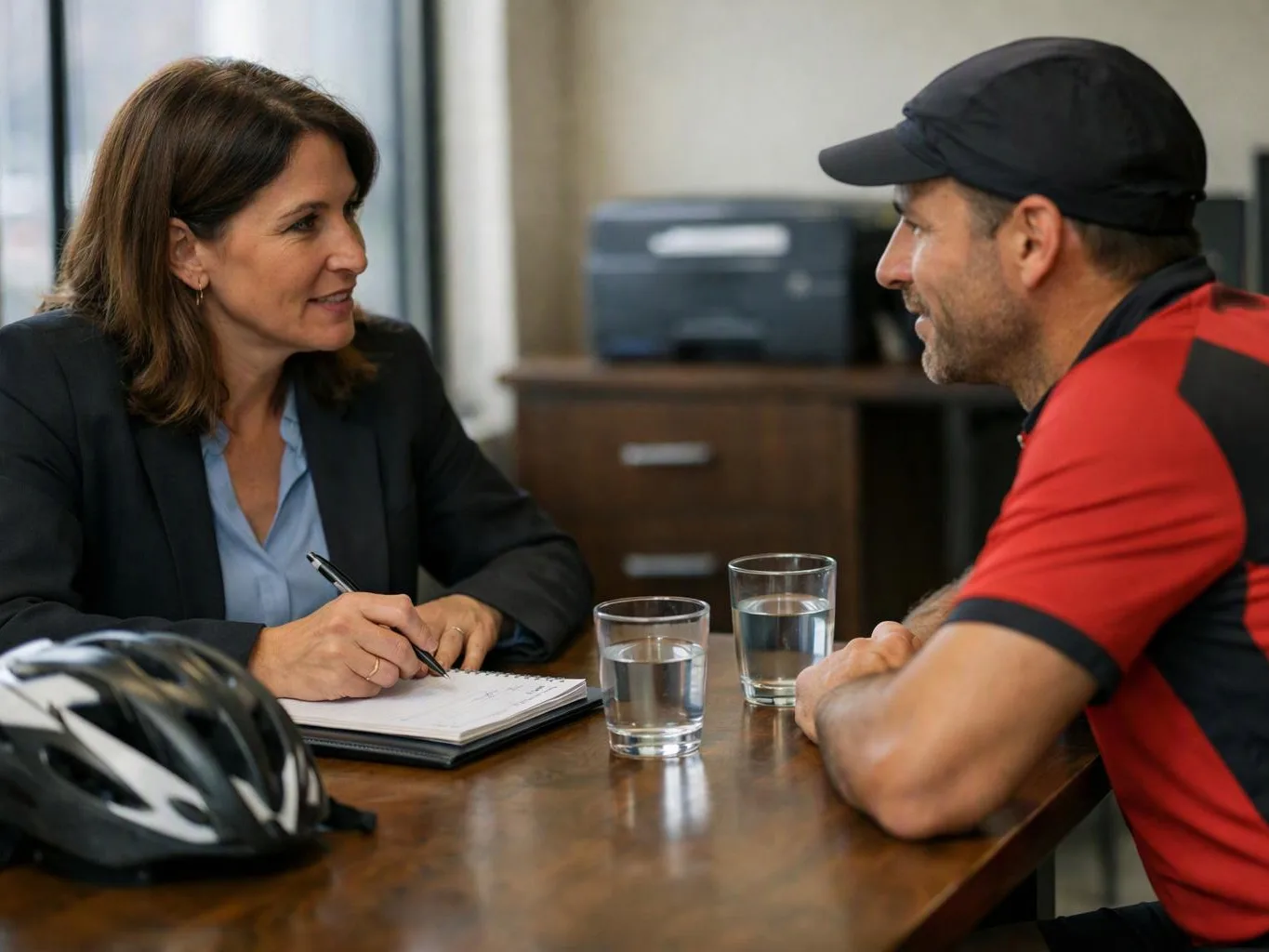
How can driver statements prove a driver violated a pedestrian's right of way?
Driver statements can support a right-of-way claim when they conflict with the crossing, signal, or impact evidence. Atlanta Auto Law compares the statement with crosswalk markings, signal timing, surveillance footage, police records, and witness accounts. A statement alone may not resolve fault, so the full record matters.
What should I bring to the first legal consultation?
Crash records, medical records, insurance messages, photographs, and witness details give the initial review useful facts. Bring any driver statement or adjuster communication you have received. We use those materials to identify missing evidence and explain the claim process.
Which part of the collision decides the evidence review?
The crossing sequence usually directs the evidence review because it connects right of way, signals, vehicle movement, and impact location. We examine the marked crossing, signal timing, driver account, and available footage. Medical records then help connect the collision to the claimed injuries.
When should a pedestrian contact a personal injury attorney?
A pedestrian should seek legal guidance when injuries, disputed fault, insurance pressure, or substantial medical records complicate the claim. Early review helps identify evidence that needs preservation, such as surveillance footage or witness information. Medical care should remain the immediate priority after an injury.
Why might surveillance footage matter in a pedestrian claim?
Surveillance footage may show the driver's movement, the pedestrian's path, signal changes, and the moments before impact. We compare the recording with driver statements and other records. A video does not replace medical proof, but it may clarify a disputed sequence.
How does the legal process move from the first call to settlement discussions?
The process moves from case evaluation to evidence gathering, medical claim coordination, insurance negotiation, and settlement discussions. Atlanta Auto Law keeps the review tied to the collision records and the client's losses. Litigation may become part of the discussion if negotiations do not resolve the claim.
Can the claim continue before medical treatment is finished?
A claim review can begin before medical treatment is finished, but the available records may change as care continues. We can assess fault evidence, insurance communications, and current medical information while tracking later records. The client should follow medical advice and keep treatment documents.