Questions About Defective Product Injury Claims
How does a product liability claim move from the first call to the last step?
The claim moves from intake to evidence review, medical record collection, insurance negotiation, and a settlement or litigation decision. We first discuss the product and injury. Then we preserve relevant records, assess the evidence, communicate with insurers, and prepare for mediation, discovery, or trial when needed.
Which material changes how long a product liability review takes?
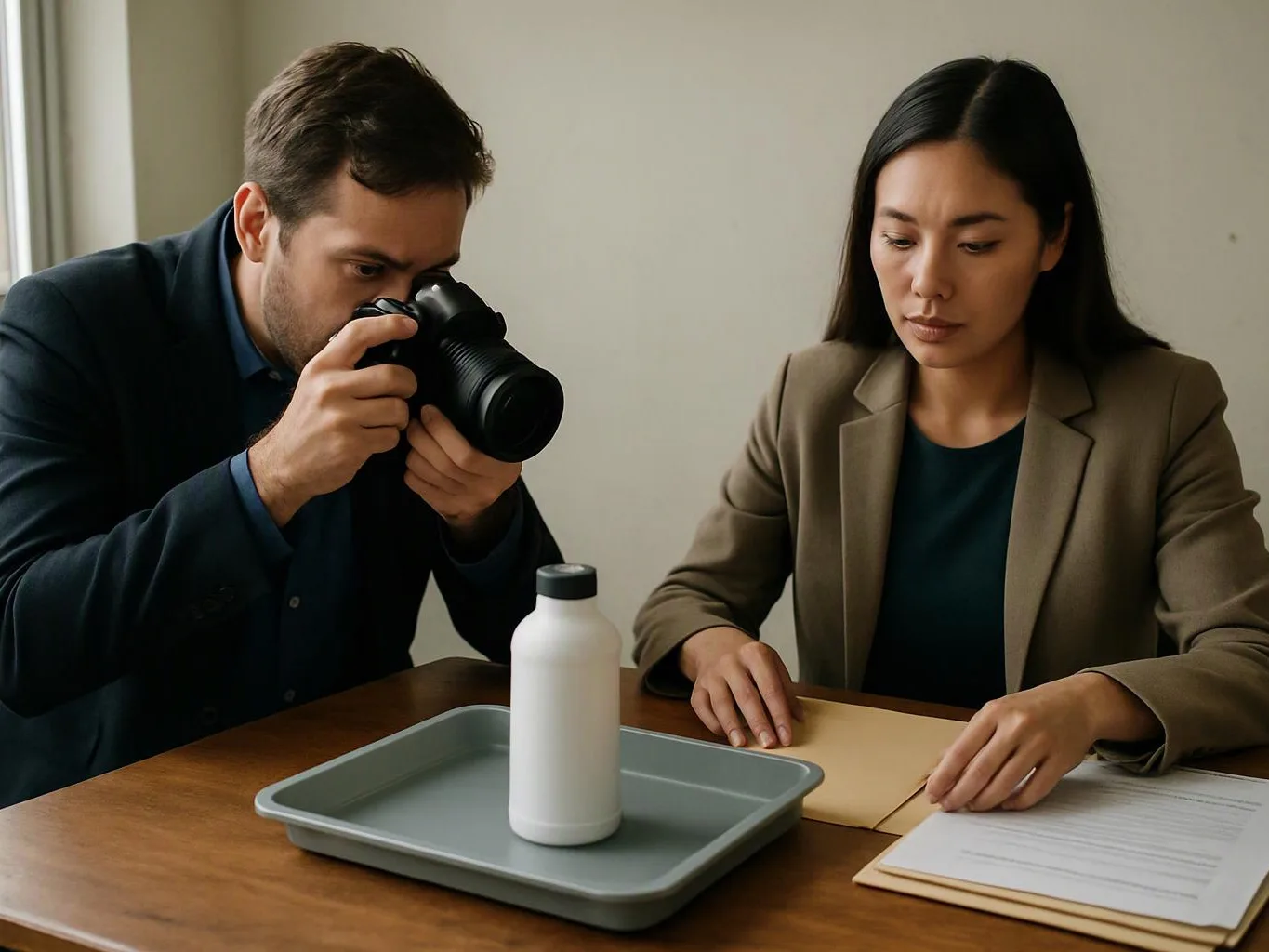
The product's condition can change the review time because damaged, repaired, or discarded items provide less direct evidence. Purchase records, packaging, manuals, recall notices, medical records, and insurer files also affect the review. Preserving these materials early gives the legal assessment a stronger factual base.
How can I tell whether product liability help fits my injury?
Product liability help fits when a product may have caused the injury and the evidence can connect the item to the harm. The product may involve a design issue, manufacturing problem, or warning concern. A traffic collision with no product defect belongs to a motor vehicle accident claim instead.
What should I bring to a first product injury consultation?
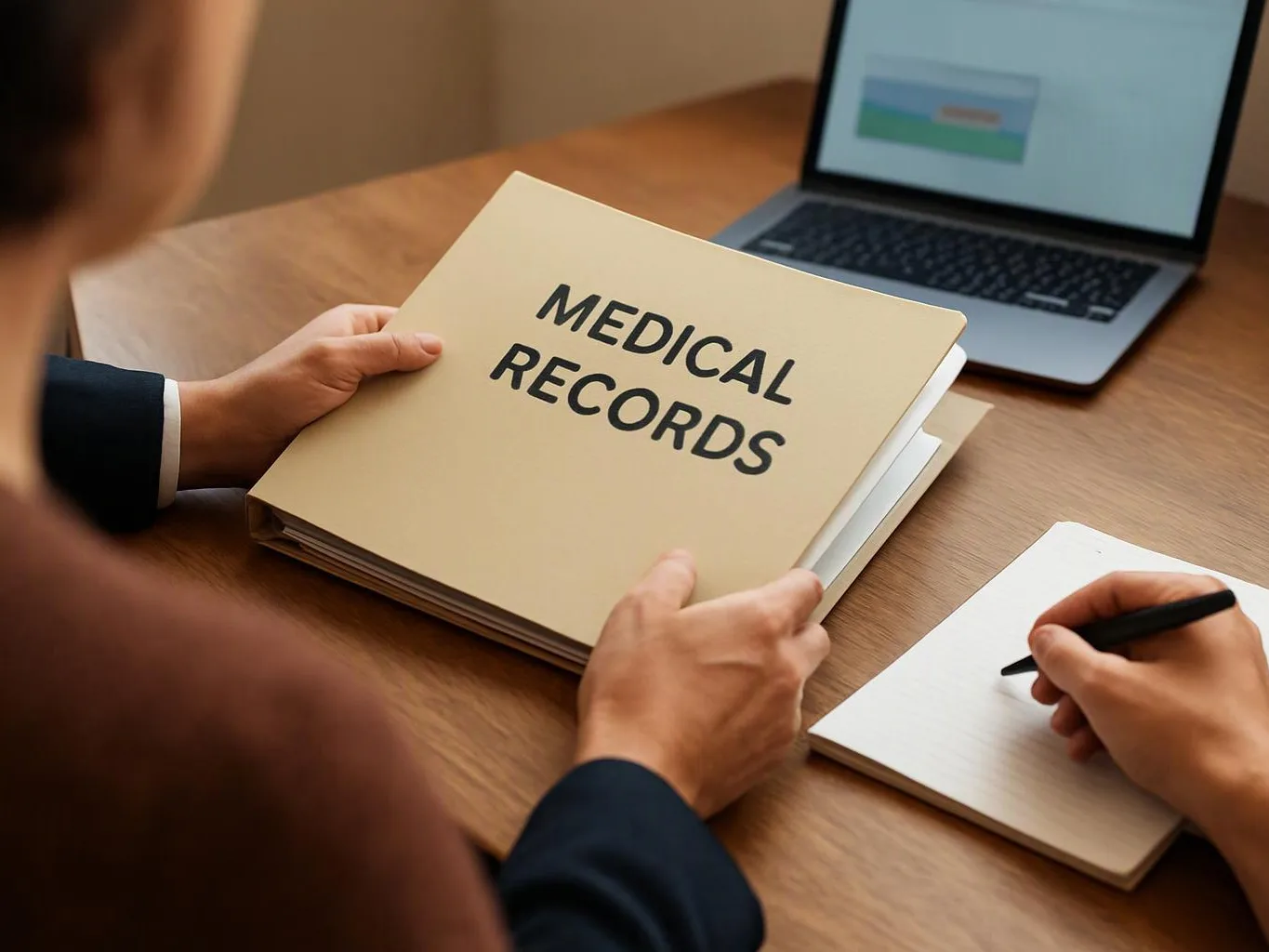
A first consultation benefits from the product, packaging, receipt, model details, injury photographs, medical records, and insurer letters. Bring recall notices or warranty documents if you have them. A complete record helps us identify what happened, what evidence remains, and which losses may belong in the claim.
Can a product claim continue if the product was discarded?
A product claim can still receive legal review after disposal, but other evidence becomes more important. Purchase records, photographs, witness accounts, medical records, packaging, warnings, and recall notices may help establish the facts. Tell us what happened to the product, and preserve every related document.
Does an insurer handle medical bills and settlement discussions?
An insurer may review medical bills and settlement demands, but its interests differ from yours. We coordinate claim records, address insurer questions, and discuss settlement terms with the carrier. The evidence must support the injury, treatment, lost wages, and other eligible losses before a settlement decision is made.