
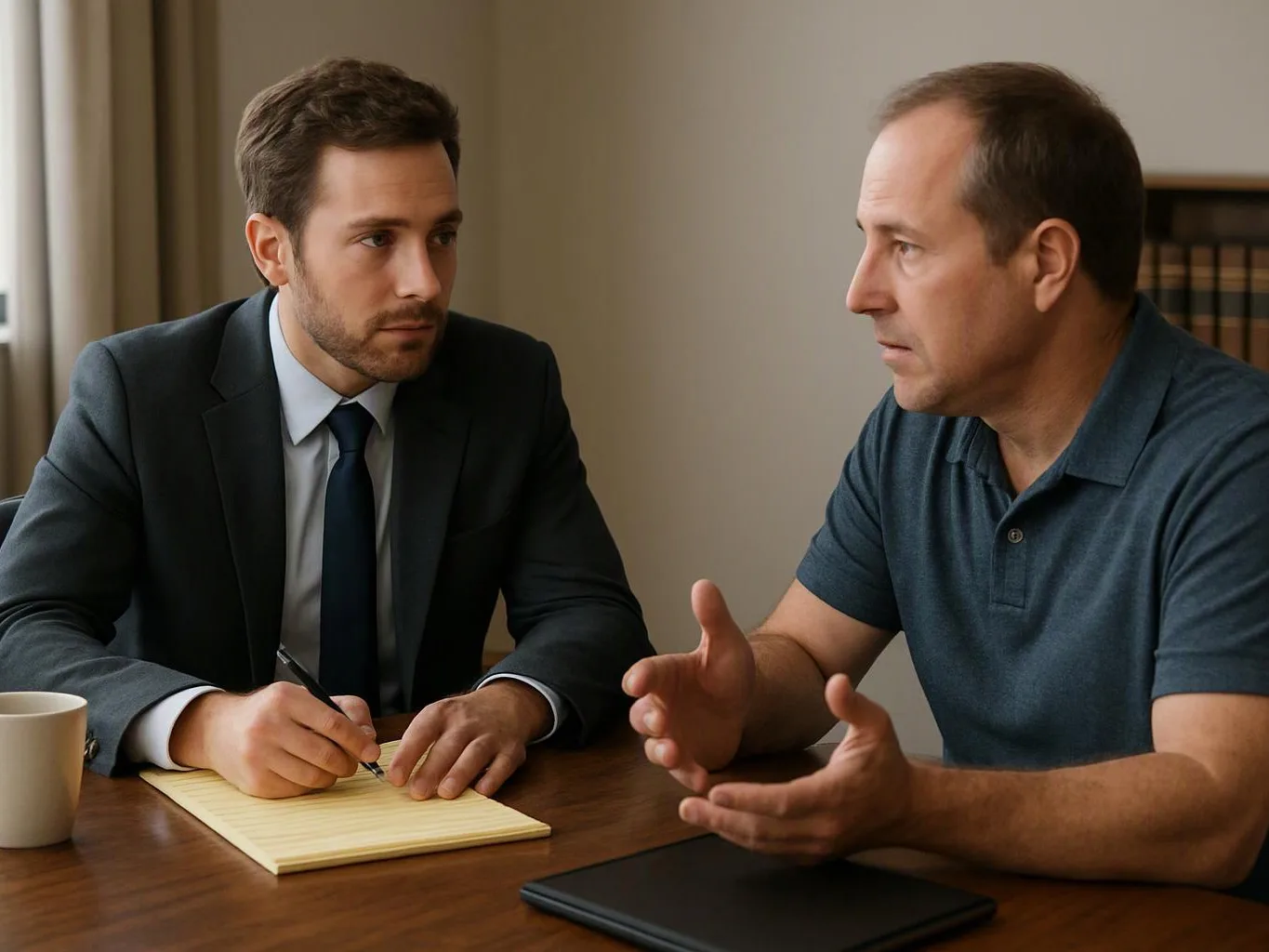
Initial case review
We discuss the crash, symptoms, treatment, work impact, and available insurance information before taking further action.
Spinal cord injuries can affect movement, work, care needs, and family life. We review the crash, medical records, and claim issues that shape your case.
Medical records and crash evidence are organized around the spinal injury.
Long-term care needs receive attention alongside current medical bills.
Lost wages and reduced earning ability become part of the damages review.
Insurance negotiations account for the injury’s effect on daily life.
Spinal cord injury claims are legal cases that seek compensation for harm to the spinal cord after an accident.

Spinal cord injury claims cover more than the first hospital bill. The case may include emergency care, rehabilitation, prescription needs, lost wages, reduced earning ability, and help with daily tasks. The main risk is an incomplete picture of the injury. Early symptoms may change, and long-term needs may not appear in the first records. We compare medical evidence with work limits, home needs, and the crash account. A claim also depends on fault and insurance coverage. We gather police and medical records, preserve supporting evidence, and negotiate with responsible parties or insurers. If the claim does not resolve fairly, we assess the next legal step.
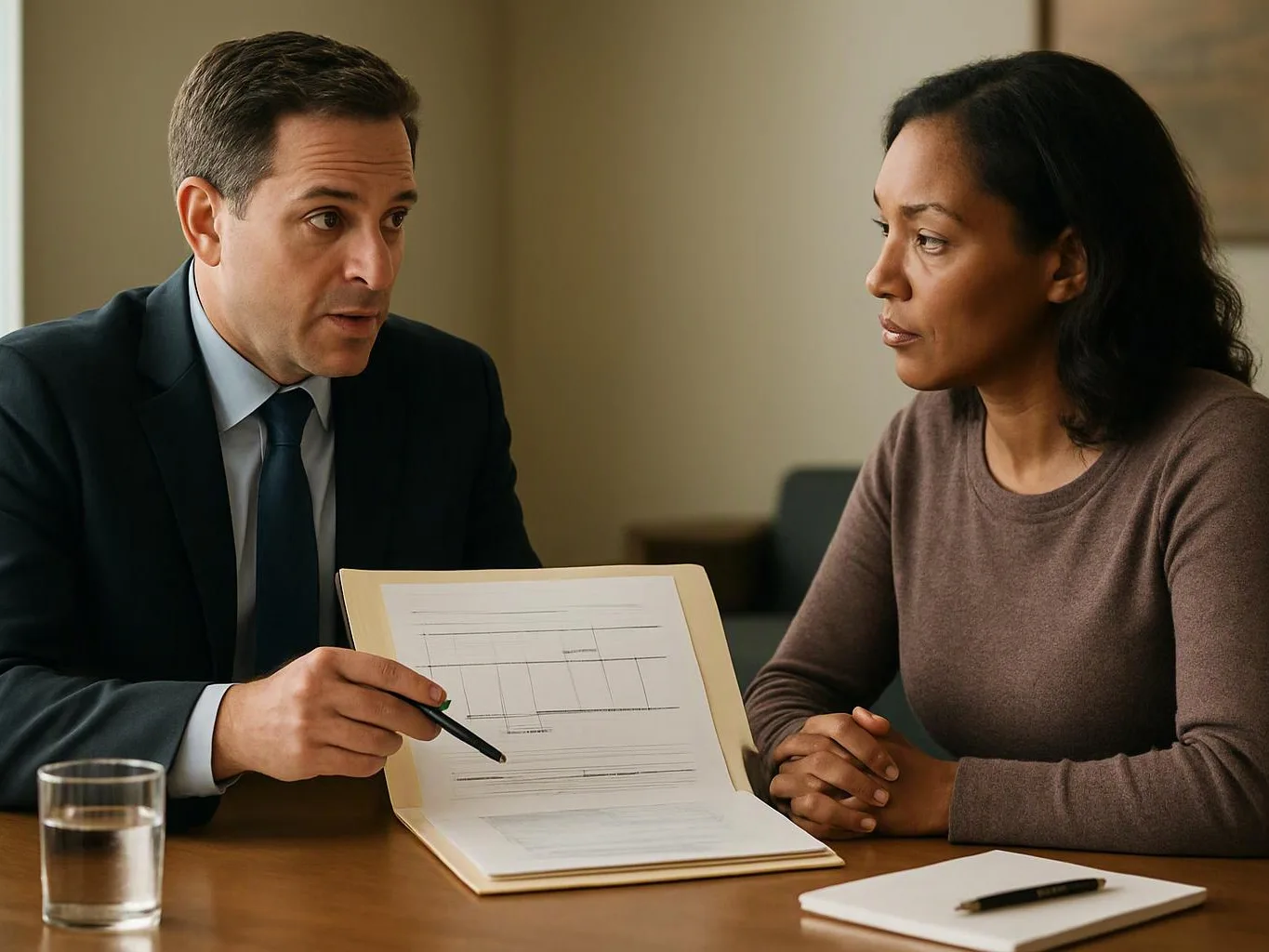
We discuss the crash, symptoms, treatment, work impact, and available insurance information before taking further action.
We gather police reports, medical records, witness details, photographs, and other evidence that may connect the crash to the spinal injury.
We review current care, possible long-term needs, lost income, and daily limits so the claim reflects more than immediate bills.
We present the supporting evidence and negotiate with responsible parties or insurers on the claim.
We explain settlement terms and assess whether the proposed result addresses the documented injury and losses.
Bring anything that helps connect the accident to your injury and shows how your life has changed.
We review the crash, symptoms, treatment, and available records before taking further action on spinal injury claims.
We investigate each incident, gather medical and accident evidence, and negotiate with responsible parties or insurers.
We provide contingency-based representation for spinal injury claims, with legal fees tied to each case outcome.
Are you dealing with spinal symptoms, lost income, or changing care needs after a crash? Schedule a consultation with Atlanta Auto Law, and urgent requests get priority scheduling.

A person may leave a crash scene with pain that later becomes numbness, weakness, or poor balance. Those changes matter because medical records must connect the symptoms to the collision. Keep every treatment record and follow medical advice, then share the accident details with us for an initial case review.
Paralysis can change housing needs, work plans, transportation, and family support. A claim must account for those effects, not just the first emergency visit. Gather care notes, wage records, and information about daily help, then let us review how the injury affects your future needs.
An insurer may seek a statement or settlement while treatment is still changing. Early decisions can leave out future care, lost income, or lasting limits. Save claim letters and recorded-statement requests, and speak with us before accepting terms or making a statement about your recovery.




The information on this website is for general informational purposes only and is not legal advice, does not create an attorney-client relationship, and may not reflect current law in East Point, Georgia, United States. Every situation is different; consult a licensed attorney about your specific matter. Prior results do not guarantee a similar outcome.
(678) 235-3870