Car Accident and Traumatic Brain Injury Claims: When to Involve Both Lawyers
Car accident and traumatic brain injury claims may require coordinated legal guidance when a crash causes brain injury, ongoing symptoms, disputed fault, or complex damages. Atlanta Auto Law reviews the accident evidence and TBI impact together so the claim reflects the full injury picture.
Request an Estimate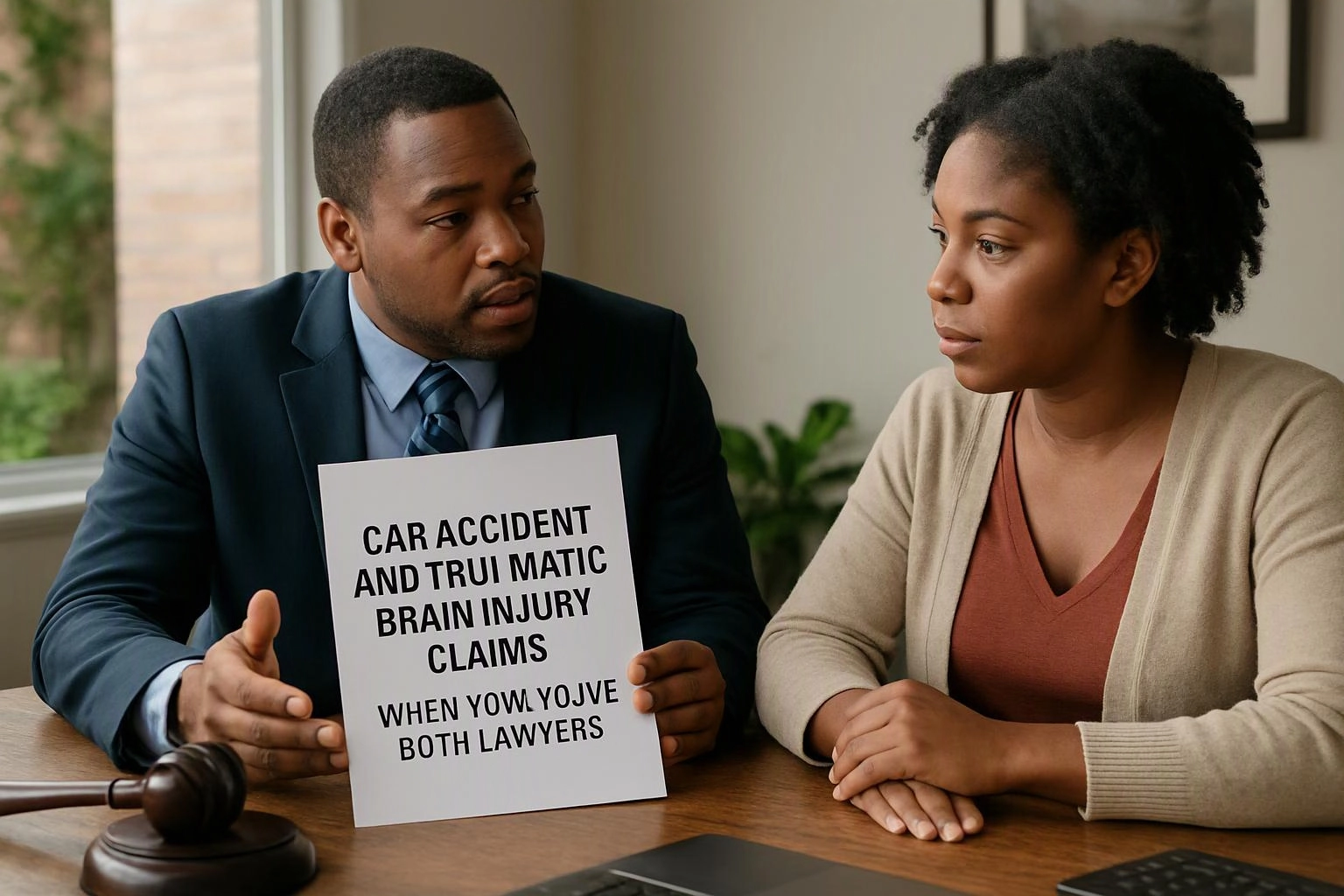
When Do a Car Accident and Traumatic Brain Injury Claim Need Both Lawyers?
Car accident and traumatic brain injury claims may need coordinated legal representation when the crash evidence and the brain injury consequences require separate but connected analysis. A car accident lawyer can examine negligence and liability, while a traumatic brain injury lawyer can develop the medical and financial effects of the injury.
We connect the car accident claim with the traumatic brain injury claim so the insurance claim addresses the full injury. This approach helps keep collision evidence, treatment history, lost income, pain and suffering, and legal damages within one coordinated strategy.
Situations That Call for Coordinated Legal Guidance
Some crash claims involve both difficult liability questions and complex brain injury consequences. We review the facts together when any of these situations may affect the claim:
These facts can affect both the proof of fault and the value of the injury claim. Our team preserves the evidence that connects the crash to the injury and the injury to the losses.
How the Two Legal Services Work Together
Car accident and brain injury legal services work together through a shared evidence and strategy process. Each service addresses a different part of the claim, but the findings must support one complete account of what happened and what the injury caused.
We coordinate the sequence so one part of the claim does not undermine another. A strong accident investigation can support medical causation, while clear medical documentation can show why the damages extend beyond vehicle repair.
What Each Lawyer Examines in the Claim
Collision evidence and medical evidence answer different questions within the same personal injury claim. We examine the police report, vehicle damage, witness evidence, medical records, neurological symptoms, lost income, and future care needs as connected parts of the case.
The car accident side focuses on negligence, driver conduct, liability, and insurance coverage. The traumatic brain injury side focuses on the diagnosis, treatment history, cognitive effects, rehabilitation, pain and suffering, and future medical care.
What the Car Accident Lawyer Reviews
A car accident lawyer reviews whether another driver’s negligence caused the crash and whether the available evidence proves liability. We examine driver conduct, vehicle damage, the police report, witness statements, accident reconstruction evidence, and insurance coverage.
Our team also looks for facts that may support or weaken the accident claim. Those facts can include traffic violations, roadway conditions, vehicle movement, and differences between the crash account and the physical evidence.
What the Traumatic Brain Injury Lawyer Reviews
A traumatic brain injury lawyer reviews concussion symptoms, cognitive impairment, neurological evaluation, rehabilitation, and future medical needs. We track how the injury affects memory, concentration, communication, work, relationships, and ordinary activities.
Medical records and medical documentation help show the injury’s progression. Our team also considers whether delayed symptoms or a post-concussion syndrome claim requires additional medical support.
How We Build One Complete Injury Claim
We build one complete injury claim by connecting the client’s account, crash evidence, medical proof, and financial losses. Each step supports the next part of the legal strategy.
This process helps prevent the accident facts from being separated from the injury consequences. We continue refining the claim as medical treatment and evidence develop.
What Changes the Cost of Coordinating These Legal Services?
The cost of coordinating car accident and traumatic brain injury legal services depends on the claim’s evidence, liability issues, medical complexity, future damages, and legal work involved. Atlanta Auto Law can explain what the legal representation covers during a consultation.
Case complexity can increase when fault is disputed, medical records are extensive, symptoms are delayed, or future care needs are difficult to assess. The work may also involve accident reconstruction, medical review, income records, insurance negotiations, and preparation for litigation.
Our team explains the scope of the work during the initial consultation. Atlanta Auto Law offers Free Consultations so we can review the claim and discuss the factors that affect the legal services involved.
When Should You Speak With Atlanta Auto Law?
Speaking with Atlanta Auto Law is appropriate when a car crash may have caused a traumatic brain injury, especially when symptoms, treatment needs, or responsibility remain disputed. Early legal evaluation can help preserve crash evidence, medical documentation, and information about the insurance claim.
Contact us before giving a detailed statement about brain injury symptoms to an insurance adjuster. We review the claim, identify evidence that may need preservation, and explain how the accident and injury issues fit together.
Our team can also assess a head injury after a crash when symptoms were not immediate. We use the available records and crash evidence to evaluate the connection between the collision, neurological symptoms, and legal damages.
To discuss your claim, contact Atlanta Auto Law for an initial consultation.
Contact Atlanta Auto LawQuestions About Car Accident and Brain Injury Claims
Can a concussion become a traumatic brain injury claim after a car accident?
Yes, a concussion can support a traumatic brain injury claim after a car accident when medical evidence connects the injury and its effects to the crash. Atlanta Auto Law reviews symptoms, medical records, treatment history, and the collision evidence together.
What evidence helps connect a brain injury to a car crash?
Evidence that can connect a brain injury to a car crash includes the police report, vehicle damage, witness statements, medical records, neurological evaluations, treatment history, and records showing changes in work or daily activities. The evidence should also address delayed symptoms, cognitive impairment, and other effects.
Can a brain injury claim include future medical care?
Yes, a brain injury claim can include future medical care when the evidence supports ongoing treatment, rehabilitation, supervision, or other care needs. The claim may also address future losses, lost income, pain and suffering, and the lifetime impact of the injury.
What should you do if an insurance adjuster asks about head injury symptoms?
You should answer honestly, avoid guessing, and consider speaking with a car accident lawyer before providing a detailed recorded statement. An insurance adjuster may use incomplete information to question causation or the seriousness of the injury, so we review the request and help preserve the claim’s evidence.