Car Accident Mistakes to Avoid After a Crash
Car accident mistakes to avoid include leaving the scene, admitting fault, delaying medical care, losing evidence, and accepting an insurer’s position without review; Atlanta Auto Law helps evaluate what happened and protect your legal options.
Request an Estimate
What Not to Do Immediately After a Car Accident
The most important immediate rule after a car accident is to protect safety, remain at the scene when legally required, and document what happened without admitting fault.
Scene safety comes first. Move to a safe location when you can do so without creating more danger, check for injuries, and call emergency services when medical help or police assistance is needed.
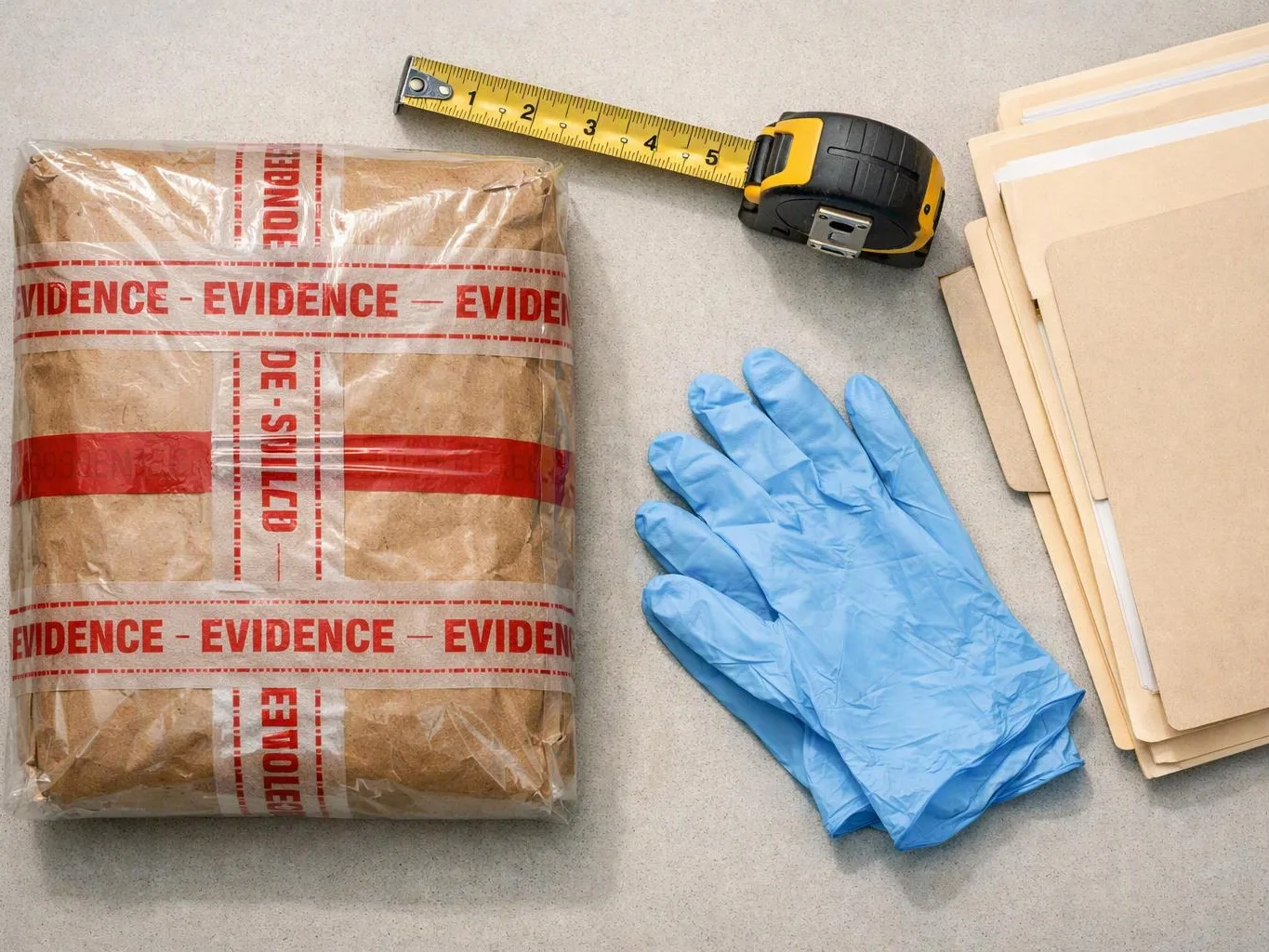
Evidence preservation begins at the accident scene. We help review photographs, statements, medical records, and insurance communications before an early mistake limits your legal options.
The First Steps That Protect Your Accident Claim
These first steps help preserve safety, useful evidence, and insurance rights after a motor vehicle collision.
Leaving the Crash Scene Before You Are Cleared
Leaving a crash scene before you are legally permitted to leave can create a hit-and-run issue and remove important scene evidence.
People may leave because they feel confused, unsafe, or worried about traffic. Leaving can make the police investigation harder and can affect how witnesses and insurers understand the collision.
The cost can include weaker evidence, added legal exposure, and difficulty proving what happened. We review the scene, available witness information, and police records to identify the safest next step.
Admitting Fault or Apologizing at the Scene
Admitting fault or apologizing at the accident scene can be used to support an argument about liability, even when the full cause of the crash is not known.
Drivers often speak before they understand roadway conditions, vehicle movement, or the other driver’s conduct. An apology may express concern without proving fault, but the exact words and surrounding facts still matter.
The possible cost is a disputed claim or a comparative negligence argument. We separate statements of concern from evidence about fault, negligence, and damages.
Failing to Call Law Enforcement When the Crash Requires a Report
A police report can provide important collision documentation when the crash involves injuries, significant damage, disagreement, or another circumstance requiring official attention.
People may avoid calling law enforcement because they believe the damage is minor or they want to settle the matter privately. That choice can leave out witness statements and create uncertainty about the official record.
The possible cost is missing or conflicting evidence about the accident. We examine the police report, available statements, photographs, and other records when evaluating the claim.
Delaying Medical Care or Ignoring Symptoms
A medical evaluation documents injuries and connects treatment to the crash when symptoms appear immediately or later.
Whiplash, soft-tissue injuries, and other conditions may not be obvious at the accident scene. People may delay care because they feel shock, expect pain to fade, or worry about medical costs.
The possible cost is a harder bodily injury claim and incomplete medical records. We compare the reported symptoms, treatment history, and medical documentation with the collision evidence.
Failing to Photograph the Vehicles, Roadway, and Injuries
Crash photographs preserve visual evidence about vehicle damage, road conditions, visible injuries, weather, and lighting.
People may focus on getting help and forget to document the scene before vehicles move or conditions change. A lack of photographs can make a later account harder to verify.
The possible cost is a weaker accident investigation and more room for disagreement about impact and fault. We identify which available images and records may support the claim.
Giving an Insurance Adjuster a Recorded Statement Without Preparation
A recorded statement gives an insurance adjuster a permanent account of what you said about the collision, injuries, and claim.
People may believe the adjuster is simply gathering helpful facts. The adjuster represents the insurer, and an unclear answer or early estimate can later be used to challenge liability or the extent of damages.
The possible cost is a disputed insurance claim or a narrower view of your injuries. We review the request, relevant liability insurance, and claim facts before addressing an insurer.
Signing a Settlement or Release Before Understanding the Injuries
A settlement offer and release of claims can resolve a claim before you understand the full effect of your injuries.
People may accept payment because they need help with immediate property damage or believe treatment is complete. A release may affect future medical care and the ability to pursue a personal injury claim.
The possible cost is losing legal options for later treatment, additional damages, or related losses. We review settlement language, medical information, property damage, and the proposed release before explaining the consequences.
Posting Crash Details or Photos on Social Media
Social media posts can become digital evidence in an insurance claim or civil liability issue.
People may post to update friends, explain what happened, or share photographs of the vehicles. Privacy settings do not guarantee that a post will remain private or be understood in the intended context.
The possible cost is an argument that your post conflicts with your injury account or the accident evidence. We consider public posts and preserved digital material when developing a claim strategy.
Discarding Evidence or Losing Track of Accident Records
Accident records include medical records, repair estimates, receipts, witness contacts, photographs, and insurance correspondence.
People may delete messages, discard damaged items, or store records across several accounts. Missing documents can make it harder to prove treatment, expenses, property damage, or the sequence of events.
The possible cost is a less complete claim evaluation and weaker support for damages. We organize the available evidence and identify records that may still be requested or preserved.
How Each Mistake Can Affect Your Legal Options
Each post-crash decision can affect safety, evidence, insurance discussions, or the ability to prove damages. The safer response depends on the facts, the available records, and the applicable claim deadline.
| Mistake | Why it happens | Claim impact | Safer response | Legal evidence |
|---|---|---|---|---|
| Leaving the scene | Confusion, fear, or traffic danger | May create a hit-and-run issue and remove scene evidence | Protect safety and remain when legally required | Police records, witnesses, and photographs |
| Admitting fault | Speaking before all facts are known | May support a liability or comparative negligence argument | Share accurate facts without guessing | Driver statements and crash evidence |
| Delaying medical care | Shock or delayed symptoms | May weaken the connection between the crash and injury | Seek an evaluation and follow medical guidance | Medical records and treatment history |
| Giving an unprepared recorded statement | Assuming the adjuster is neutral | May create disputes about fault or injury severity | Review the request before responding | Insurance correspondence and claim statements |
| Signing a release too early | Need for immediate payment | May end future claims connected to the crash | Review the settlement terms before signing | Release language and medical records |
We use this type of comparison as a starting point, not as a substitute for reviewing the facts. A claim may involve more than one mistake and more than one source of evidence.
When to Contact Atlanta Auto Law About a Crash
Contacting our team can help preserve options when the crash involves disputed facts, serious harm, or difficult insurance issues.
We also review rear-end collisions, intersection crashes, multi-vehicle collisions, and other personal injury matters when the available evidence needs careful evaluation.
How Atlanta Auto Law Reviews a Car Accident Claim
Car accident claim evaluation begins with the crash evidence, injury records, insurance communications, and available liability theories. Atlanta Auto Law reviews those materials before explaining the legal options.
Our team examines vehicle damage, roadway details, witness accounts, police records, and other evidence that may support accident reconstruction. We compare that information with medical documentation and the claimed bodily injury.
We also review insurance coverage, property damage, medical expenses, and other damages. That review helps us develop a claim strategy that fits the facts and the applicable claim deadline.
What to Bring to a Car Accident Consultation
Bring records that show what happened, how you were treated, and how insurers have responded. Our team can organize the materials and identify important gaps during the case evaluation.
What Happens After You Ask Atlanta Auto Law to Review the Crash
The initial consultation begins with a review of the available crash information and an explanation of which next steps fit the facts of your case.
Our team reviews the evidence, medical information, insurance communications, and potential legal issues. We explain questions about liability, damages, settlement communications, and the release of claims in plain language.
If legal representation fits your situation, we explain how we can handle insurance communication and protect the claim process. You can contact Atlanta Auto Law to request a review of your crash.
Atlanta Auto Law offers Free Consultations for people who need help understanding their post-crash legal options.
Questions About Car Accident Mistakes
Should I talk to the other driver's insurance company after a crash?
You can notify the insurer about the crash, but you should avoid guessing about fault, injuries, or the full value of the claim. Atlanta Auto Law reviews recorded statement requests and claim communications before you respond.
What should I do if the other driver left the scene?
Call 911 when safe, seek medical care for injuries, preserve photographs and witness information, and notify your insurer. A hit-and-run accident lawyer can review police records, available coverage, and evidence about the fleeing vehicle.
Can I still pursue a claim if I apologized after the accident?
Yes, an apology does not automatically decide fault. The meaning of the statement depends on the words used and the other evidence about the collision, injuries, and liability.
What evidence should I save after a car accident?
Save the police report, photographs, medical records, repair estimates, receipts, witness details, insurance correspondence, and settlement documents. Preserve digital messages and photographs without altering their original context.
What should I do if my injuries appear after the crash?
Seek a medical evaluation, describe when the symptoms began, follow the treatment plan, and keep the related records. Delayed injury symptoms can still matter, but prompt documentation helps connect the condition to the crash.
Related Resources
Can You File Workers’ Compensation and a Car Accident Claim?
What Goes With ItCar Accident and Traumatic Brain Injury Claims: When to Involve Both Lawyers
Why It MattersBenefits of Hiring a Car Accident Lawyer After an Injury
Everything About ItWhat to Discuss With a Car Accident Lawyer After a Crash