
Skip to content

Driver-Assistance System Crash Injury Claims in Atlanta, Georgia

Sensor failure checks focus on whether a system missed or misread danger in Atlanta. We review the crash facts and injury claim together.

Upfront, Transparent PricingServing 52 CommunitiesMon-Sun: Open 24 hoursFast Scheduling

Quick Summary: Driver-Assistance Crash Injury Claims in Atlanta, Georgia

Driver-assistance system crash injury claims in Atlanta are handled by Atlanta Auto Law for people hurt in crashes involving automated safety features. The firm serves Atlanta and surrounding metro communities, including East Point, Marietta, Alpharetta, Sandy Springs, and Roswell, and offers free consultations.

  • What we do: Atlanta Auto Law handles Driver-Assistance System Crash Injury Claims for injured people in Atlanta, Georgia.
  • What is included: Key Capabilities include reviewing crash records, medical records, vehicle data, insurance communications, and injury-related losses.
  • What you get: The claim establishes how the crash caused injury and supports a request for fair compensation.

Can I file a claim after a crash involving a driver-assistance system?

Yes, an injured person can file a claim after a driver-assistance crash when the facts support legal responsibility. Sensor failure, software defects, detection errors, and unexpected braking can affect the review. The claim still requires proof of injury, crash cause, and loss. A consultation helps organize the records before insurance discussions move forward.

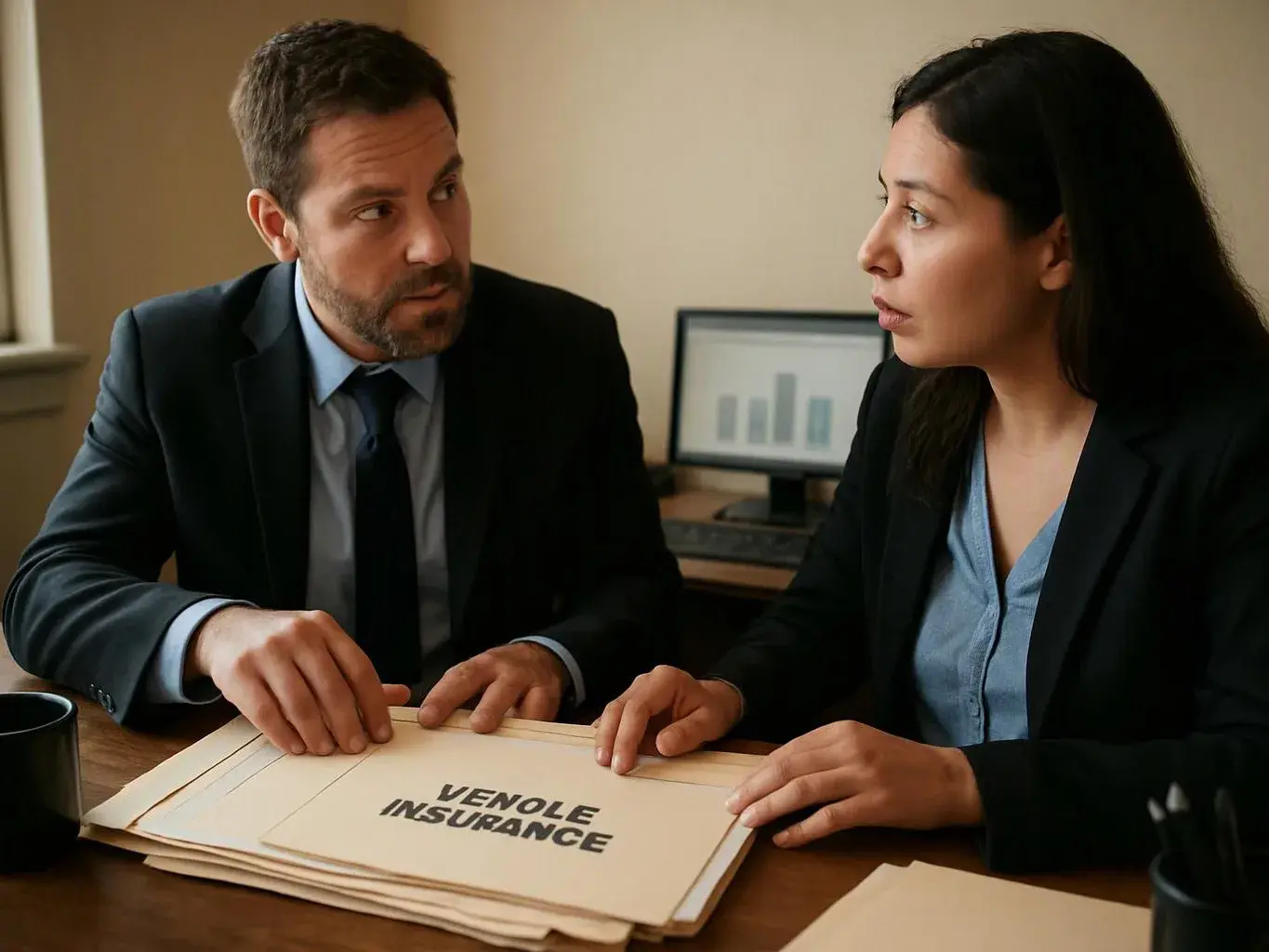
Driver-Assistance Crash Injury Claims in Atlanta, Georgia

A driver-assistance crash claim is for a person hurt when a feature such as lane support, adaptive cruise control, or automatic braking did not work as expected. The key decision is whether the available records support a claim against a driver, vehicle maker, parts maker, or another responsible party.

Our review focuses on the event itself. We compare the police report with medical records, vehicle information, driver statements, and insurance messages. A system warning or sudden braking event does not prove fault by itself, so the full record matters.

The work suits people who need help sorting a complex crash from a routine insurance claim. It is not the right service for an injury-free incident or a vehicle-only dispute with no personal injury.

  • Identify which driver-assistance feature was active during the crash.
  • Preserve police records, medical records, vehicle details, and insurer messages.
  • Record the symptoms and treatment linked to the collision.
  • Review whether system behavior, driver action, or another vehicle factor shaped the impact.
A man in a suit holds a folder beside a desk sign reading “PERSONAL INJURY ATTORNEY” in a wood-paneled office

Service Overview

Driver-assistance system crash injury claims are legal claims that seek compensation after a vehicle safety system contributes to a harmful collision.

  • These claims differ from ordinary car accident claims because the review may include system performance, vehicle data, software records, and warnings.
  • Atlanta Auto Law handles this work for injured people in Atlanta and surrounding metro communities.
Process

How We Handle A Driver-Assistance Crash Injury Claim

1

Review the initial crash account

We begin with the collision facts, reported injuries, police records, and the driver’s description of the system event.

2

Gather medical and vehicle records

The claim file brings together treatment records, photographs, vehicle details, insurer messages, and available system information.

3

Assess fault and injury proof

We compare the records to determine how system behavior, driver conduct, or another vehicle factor relates to the injury.

4

Prepare the insurance position

We organize the supporting facts for insurance negotiation and explain what further records the claim needs.

5

Pursue the suitable resolution

The matter may proceed through settlement discussions, mediation, or trial when the facts and client goals support that path.

How We Approach Driver-Assistance Crash Claims

Start with the crash record

The first review connects the reported system behavior with the impact, injury, and available records. This service is the wrong fit when no person was injured.

Separate system facts from assumptions

We look for records that show what the vehicle feature did and what the driver observed. A warning on the dashboard alone does not establish a legal claim.

Use a clear legal path

Our work can move from evidence gathering to insurance negotiation, mediation, or trial. Ronnie Mabra brings legislative knowledge from his service as a former Georgia State Representative.

What This Claim Review Helps You Decide

A focused review separates a system issue from ordinary driver conduct.

Organized records give insurers a clearer account of the crash and injury.

The process helps identify missing documents before a demand letter is prepared.

You receive a clearer view of whether negotiation or litigation fits the claim.

A contingency-fee arrangement means clients do not pay unless we win.

What Driver-Assistance Crash Claims Include

Atlanta Auto Law provides comprehensive Driver-Assistance System Crash Injury Claims in Atlanta. Here's what you get:

  • We review the crash report, medical records, and available vehicle information.
  • We examine claims involving software defects, detection errors, and unexpected braking.
  • We organize evidence that connects the collision to physical injury and financial loss.
  • We communicate with insurance companies about the injury claim and supporting records.
  • We prepare the claim for negotiation, mediation, or trial when the matter requires it.

Driver-Assistance Claim Issues Compared

These categories help show which facts the claim review may need.

Claim issueWhat the review examinesUseful records
Software defectsWhether software behavior affected warning, steering, braking, or system responseVehicle information, driver account, crash report
Detection errorsWhether the system recognized an object, lane, or traffic conditionPhotographs, vehicle details, police records
Unexpected brakingWhether sudden braking contributed to the impact or injuryDriver statement, crash report, medical records

The Atlanta Auto Law Standard

  • Initial Case Review
  • Responsive Communication
  • Thorough Case Investigation
  • Contingency Representation

Questions About Driver-Assistance Crash Injury Claims

What does the legal team look at first after this type of crash?

The initial review checks the crash account, reported injuries, and the driver-assistance feature involved. It then examines the police report, medical records, vehicle details, and insurer messages. These records help separate a system issue from ordinary driving conduct. A consultation can begin before medical treatment is complete.

What should be checked before a claim review is scheduled?

The claim review should start with the crash report, treatment records, vehicle information, and insurance letters. Keep photographs and written notes about symptoms with those documents. Our team uses the available records to identify missing facts and frame the consultation. Do not alter or discard vehicle-related information after the crash.

Who is a good fit for this service, and who needs a different service?

Injured people involved in crashes with driver-assistance features are a good fit for this service. A vehicle-only dispute needs a different focus, and an injury-free incident does not present a personal injury claim. We also review whether medical treatment, lost income, or insurance disputes connect to the collision.

How does a contingency fee work for this type of injury claim?

A contingency fee means the client does not pay attorney fees unless we win. The written fee agreement explains the arrangement and any case-related costs. The claim still needs a factual review before representation begins. Free consultations give injured people a chance to discuss the crash and available records.

What documents should I bring to the first consultation?

The most useful documents include the crash report, medical records, insurer letters, photographs, and vehicle information. Bring wage-loss records when the injury affected work. These materials help connect the crash to the injury and show how insurers have handled the claim. Missing records can be gathered as the review continues.

Driver-Assistance System Crash Injury Claims in Other Areas

Contact

Discuss Your Driver-Assistance Crash Injury Claim

Schedule a consultation with Atlanta Auto Law about your Atlanta injury claim, and urgent requests get priority scheduling.

ZIP Codes We Serve in Atlanta, Georgia

73 ZIP codes — show all
30301303023030330304303053030630307303083030930310303113031230313303143031530316303173031830320303213032430325303263032730328303313033230334303363033730338303393034230343303443034830349303533035430355303573035830361303633036430368303693037030371303743037530377303783038030384303853038830392303943039630398311063110731126311313113631139311503115631192311933119531196

The information on this website is for general informational purposes only and is not legal advice, does not create an attorney-client relationship, and may not reflect current law in East Point, Georgia, United States. Every situation is different; consult a licensed attorney about your specific matter. Prior results do not guarantee a similar outcome.

(678) 235-3870