
What Is Causation?
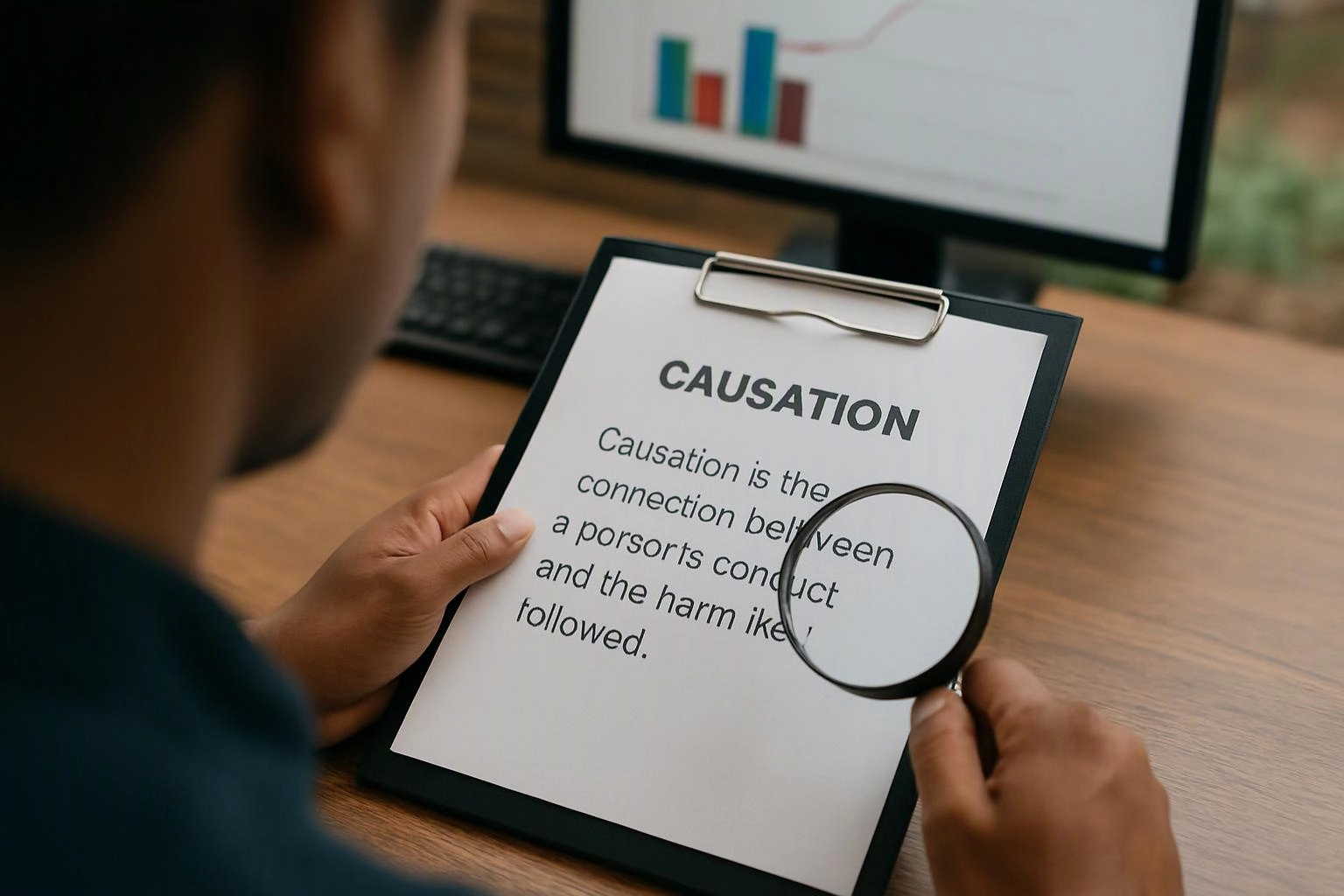
Causation is the connection between a person’s conduct and the harm that followed. In a medical malpractice claim, causation requires evidence that a healthcare provider’s negligent act or failure to act caused, or substantially contributed to, the patient’s injury. The analysis separates negligence from harm and examines whether the injury would have occurred without the alleged malpractice.
Quick Facts About Causation
Category
Legal element
Used for
Linking negligence to harm
Common confusion
Negligence alone does not establish causation
Also called
Cause in Fact, Causal connection
Often discussed with
Medical Malpractice Claims
Key Takeaways About Causation
- Causation connects conduct to a specific injury.
- Medical records often help test the claimed connection.
- Causation is not the same as proving negligence.
How Causation Works

Causation is tested by tracing the facts from the alleged medical error to the patient’s injury. The review may consider the patient’s condition before treatment, the care provided, and what happened afterward. Medical records can show changes in symptoms, treatment decisions, and the timing of the claimed harm.
Related glossary terms: Proximate Cause, Medical Records, Expert Witness.
A claim may involve more than one possible cause. Prior conditions, later treatment, or an independent medical event can affect the analysis. An expert witness may explain whether the provider’s conduct could have produced the injury and whether the claimed harm fits the medical evidence. The issue is not simply whether poor care occurred, but whether that care caused the loss being claimed.
From the Atlanta Auto Law team
When we review a medical malpractice claim, we compare the patient’s condition before and after the care at issue. We examine records, treatment timelines, and medical opinions to assess whether the alleged conduct connects to the claimed injury.
Causation in Practice: A Real-World Example
A patient receives a medication that conflicts with a documented allergy, then develops a serious reaction. Causation may depend on whether medical evidence connects the prescription decision to the reaction and resulting treatment.
Related Services
Related Terms
Proximate Cause
Proximate Cause is the legal connection between a person’s conduct and an injury that follows. The…
Medical Records
Medical Records are written or electronic documents that describe a patient’s care, condition, testing, treatment, and…
Expert Witness
An Expert Witness is a qualified professional who gives specialized opinions in a legal dispute. An…
Damages
Damages are the losses or compensation connected to an injury or legal wrong. In a car…
Atlanta Auto Law
Have Questions About Causation?
Contact Atlanta Auto Law for practical guidance on Causation and related personal injury attorney work in East Point.