
What Is a Traumatic Brain Injury?
A traumatic brain injury is damage to the brain caused by an outside force, such as a blow or jolt to the head. The injury can affect how a person thinks, feels, or moves. Its effects depend on the nature of the injury and the parts of the brain affected.
Quick Facts About Traumatic Brain Injury
- Category
- Brain injury from external force
- Used for
- Describing an injury in medical records and claims
- Common confusion
- A concussion is a type of traumatic brain injury
- Also called
- TBI
- Often discussed with
- Brain Injury Claims, Car Accident Claims
Key Takeaways About Traumatic Brain Injury
- A concussion is a type of traumatic brain injury.
- Records can help connect the injury to a claim.
- A person need not lose consciousness to have a brain injury.
How Traumatic Brain Injury Works
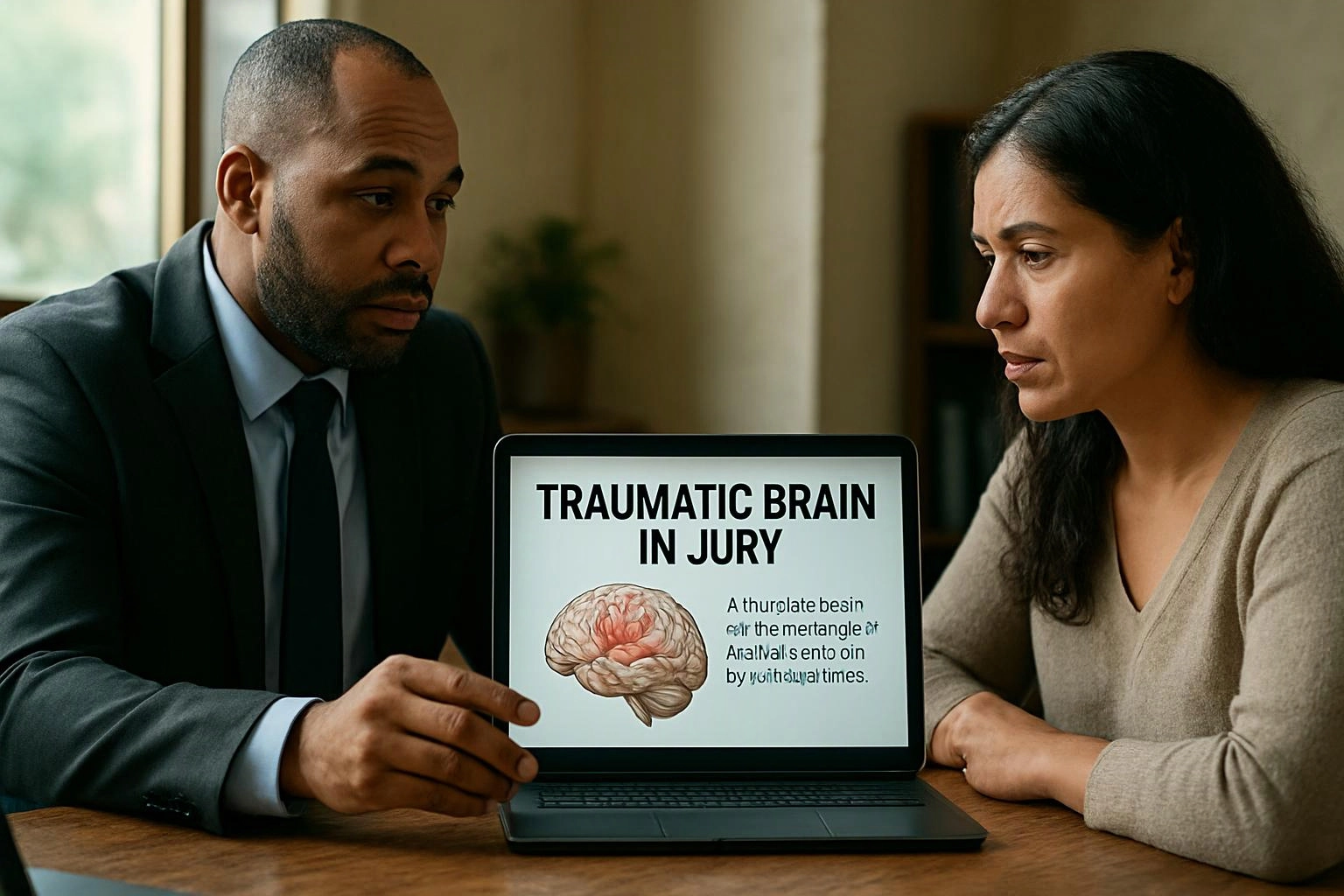
A traumatic brain injury can disrupt how brain cells communicate. A sudden jolt can move the brain inside the skull. An object that enters the skull can also damage brain tissue. Related service: Brain Injury Claims.
Related glossary terms: Causation, Damages, Expert Witness.
Symptoms can include headaches, memory problems, or trouble with balance. Changes in mood or sleep can also occur. Some effects are easier to see than others, and symptoms can change over time.
A concussion is a type of traumatic brain injury. A person can have a concussion without losing consciousness. The word mild may describe the injury at the start, but it doesn't mean the effects feel minor.
Medical records may describe symptoms and their effect on daily tasks. In an injury claim, those details can help show the link between an event and a person's reported difficulties. Records can also show how those difficulties affect work or home life.
From the Atlanta Auto Law team
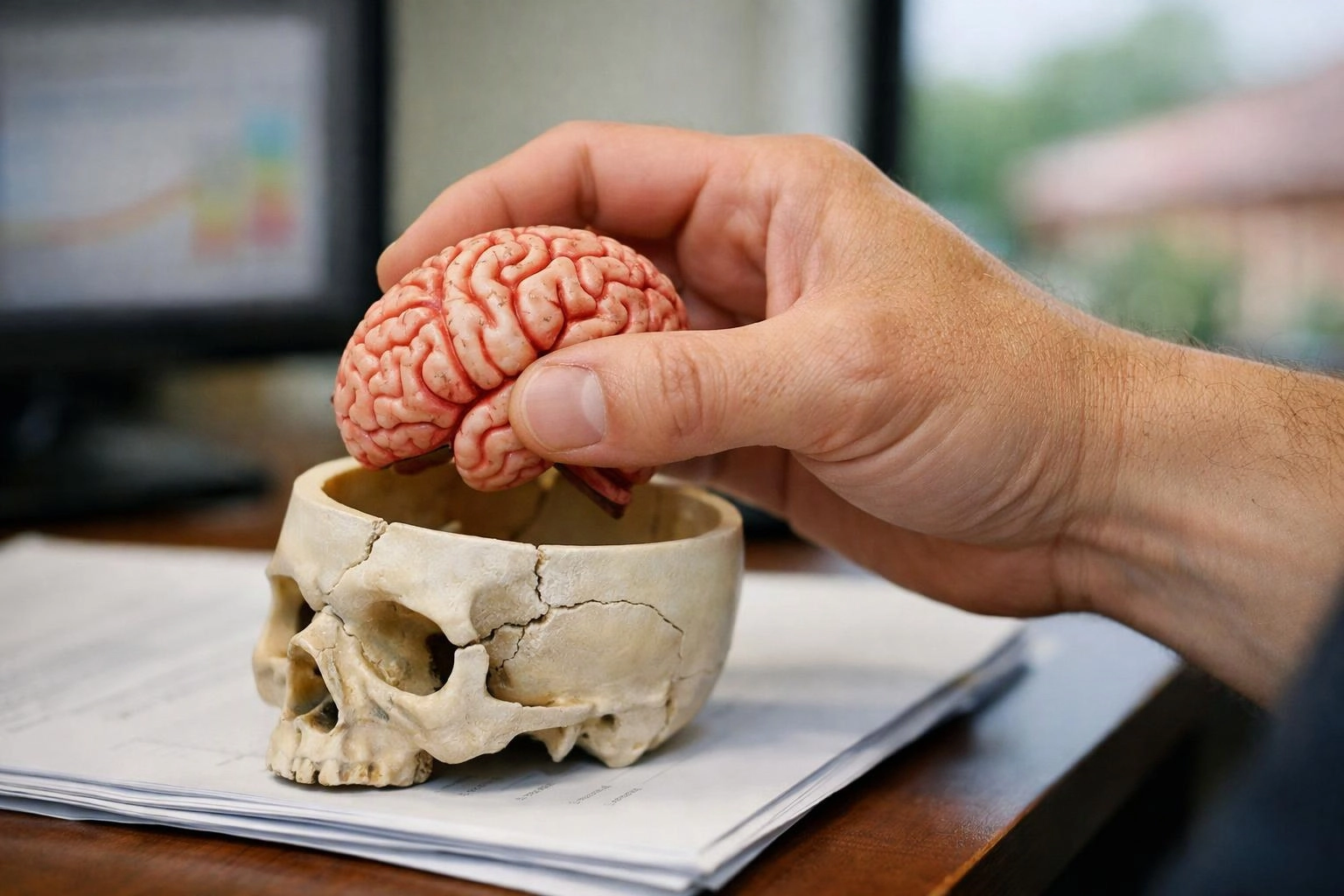
When we handle a brain injury claim, we review records for the reported symptoms and their effect on daily life. We also look at evidence about the event itself. A record of missed work can help us understand how the claimed injury affected your routine.
Traumatic Brain Injury in Practice: A Real-World Example
A driver strikes their head during a car crash and later has trouble remembering work tasks. In a brain injury claim, medical records and work records may help document the reported effects.
Related Services
Related Terms
Causation
Causation is the link between an action or failure to act and an injury.
Damages
Damages are money sought or awarded in a legal claim for harm or loss.
Expert Witness
An expert witness is a person whose specialized knowledge helps explain evidence in a legal case.
Negligence
Negligence is a failure to use reasonable care that causes harm to another person.
Atlanta Auto Law
Have Questions About Traumatic Brain Injury?
Contact Atlanta Auto Law for practical guidance on Traumatic Brain Injury and related personal injury attorney work in East Point.